The journey of the pillow is not merely a history of comfort, but a reflection of human civilization’s progress in understanding ergonomics, health, and material science. While modern sleepers demand soft, adaptive surfaces, our ancestors prioritized neck alignment and protection from pests. Today, the market is saturated with diverse materials like bamboo-derived rayon and organic cotton, each offering unique benefits for support and hygiene. Understanding the origins and the technical specifications of these materials is essential for anyone looking to optimize their sleep hygiene.
The Historical Evolution of Pillows: From Stone to Silk
The concept of a pillow dates back to approximately 7,000 BC in ancient Mesopotamia. Unlike the plush cushions we use today, these early pillows were made of stone. The primary purpose was not comfort in the modern sense, but rather to prevent insects from crawling into the ears, nose, and mouth of the sleeper. These stone headrests were a status symbol; only the wealthy could afford to elevate their heads during rest.
Ancient Egypt and the Spiritual Connection
In Ancient Egypt, pillows evolved into wooden or ivory headrests. For the Egyptians, the head was considered the seat of life and spiritual essence. Pillows were often carved with images of protective deities like Bes to ward off evil spirits during sleep. While these structures provided essential neck support and kept the head elevated in a hot climate, they lacked the cushioning we associate with rest.
The Sophistication of Chinese Ceramics
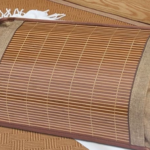
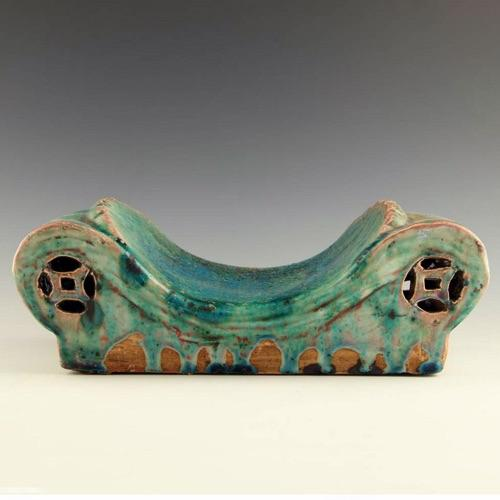
Chinese history showcases a different approach, utilizing materials like bamboo, jade, porcelain, and bronze. Although the Chinese were capable of making soft pillows, they believed that hard pillows helped maintain blood circulation and kept the brain active. Porcelain pillows were particularly popular during the Tang and Song dynasties because their cool surfaces were ideal for the humid climates of southern China.
- Stone Age: Used for pest prevention and status.
- Ancient Greece and Rome: Transitioned toward soft pillows using feathers, straw, and wool.
- Industrial Revolution: Mass production made soft pillows accessible to the general population.
- Modern Era: The introduction of synthetic foams and smart technology.

Why Bamboo Pillows Are Hard and Heavy: The Science of Density
Many consumers are surprised when they first handle a bamboo pillow, finding it significantly heavier and firmer than traditional polyester or down alternatives. It is important to clarify that “bamboo pillow” usually refers to a pillow with a bamboo-derived rayon cover, while the interior is filled with shredded or solid memory foam. The weight and hardness are direct results of the material’s density and its structural intent.
The Role of Memory Foam Density
The “hardness” of a bamboo pillow is often a byproduct of high-density viscoelastic foam. High-density foam contains more material per cubic foot, which provides superior support for the cervical spine. This density ensures that the pillow does not “bottom out” under the weight of the head, maintaining consistent alignment throughout the night. While it may feel stiff initially, memory foam is thermo-reactive, meaning it softens as it absorbs body heat, eventually contouring to the sleeper’s unique shape.
Why Weight Matters in Bedding
The weight of these pillows—often ranging from 3 to 5 pounds—is a sign of quality. A heavier pillow stays in place during the night, providing a stable foundation for side and back sleepers. The combination of a heavy foam core and a thick bamboo-fabric cover creates a substantial product that resists clumping and flattening, a common issue with lighter, cheaper synthetic pillows.

The Hypoallergenic Profile of Cotton Pillows
For individuals suffering from respiratory issues or sensitive skin, the choice of pillow material is a health decision. Cotton has long been the gold standard for hypoallergenic bedding. Because it is a natural fiber, it lacks the harsh chemicals often found in the manufacturing of synthetic foams and polyesters, which can trigger “off-gassing” and allergic reactions.
Natural Breathability and Moisture Regulation
One of the primary reasons cotton is considered hypoallergenic is its breathability. Cotton fibers allow air to circulate freely, which prevents the buildup of heat and moisture. Dust mites, the leading cause of indoor allergies, thrive in warm, damp environments. By keeping the sleep surface dry, cotton naturally inhibits the growth of dust mite populations and mold spores.
Ease of Sanitization
Unlike memory foam, which can be difficult to clean, cotton pillows are often machine-washable at high temperatures. Washing bedding at temperatures above 130°F (60°C) is the most effective way to eliminate allergens. The durability of cotton ensures that it can withstand frequent laundering without losing its structural integrity, making it the most hygienic choice for long-term use.

Comparing Traditional and Modern Pillow Materials
Choosing between cotton, bamboo, and historical materials requires a comparison of their physical properties and sleep benefits. The following table highlights the key differences between the most common modern pillow types based on density, breathability, and support.
| Feature | Cotton Pillows | Bamboo (Memory Foam) | Traditional Down |
|---|---|---|---|
| Firmness | Medium-Soft | Firm / Adaptive | Soft |
| Weight | Light to Medium | Heavy | Very Light |
| Breathability | Excellent | Moderate (Cover is high) | Low to Moderate |
| Hypoallergenic | High | Moderate (Antimicrobial) | Low (Traps dust) |
| Durability | Moderate | Very High | High (if maintained) |

Maintenance Strategies for Hypoallergenic Bedding
To maximize the lifespan and health benefits of your pillow, a strict maintenance routine is required. Even the best hypoallergenic cotton or bamboo pillow can accumulate skin cells and oils over time if not properly cared for. Experts recommend using a pillow protector in addition to a standard pillowcase to provide a double barrier against allergens.
Decompressing and Fluffing
For bamboo memory foam pillows, regular “fluffing” is necessary to redistribute the shredded foam and maintain air gaps. This prevents the “hardness” from becoming uncomfortable. For cotton pillows, occasional tumble drying on a low heat setting can help restore the loft of the natural fibers, ensuring they remain soft and supportive.
The Importance of Replacement Cycles
Regardless of the material, pillows should generally be replaced every 18 to 36 months. Over time, the structural proteins in cotton can break down, and memory foam can lose its ability to “bounce back.” If you wake up with neck pain or if your cotton pillow no longer returns to its original shape after being folded in half, it is time for a replacement.

The Future of Sleep Technology and Smart Pillows
We are currently entering the era of the “Smart Pillow,” a far cry from the stone headrests of Mesopotamia. Modern innovation has integrated electronics into the very fabric of our bedding. These devices can track sleep cycles, monitor snoring, and even adjust their internal temperature to help the sleeper stay in deep sleep longer.
Furthermore, material science is moving toward hybridization. We are seeing pillows that combine the hypoallergenic properties of organic cotton with the supportive density of copper-infused memory foam. These advancements aim to solve the age-old dilemma: how to provide a surface that is firm enough for support but soft enough for comfort, all while maintaining a sterile environment.
Frequently Asked Questions (FAQ)
- Q1: Why does my bamboo pillow feel like a rock when I first buy it?
- Bamboo pillows filled with memory foam are often vacuum-sealed for shipping. This compresses the foam cells. Once opened, they require 24-48 hours to fully expand. Additionally, because memory foam is temperature-sensitive, it may feel harder in a cold room and will soften as it adjusts to your body heat.
- Q2: Can I be allergic to a cotton pillow?
- While rare, it is possible. Usually, the allergy is not to the cotton itself but to the chemicals, pesticides, or dyes used in non-organic cotton processing. To minimize this risk, look for OEKO-TEX or GOTS certified organic cotton pillows.
- Q3: Is a heavy pillow better for side sleepers?
- Yes. Side sleepers require a higher “loft” (thickness) and more stability to fill the gap between the ear and the shoulder. A heavy, high-density bamboo memory foam pillow is excellent for this because it won’t shift or flatten during the night.
- Q4: How often should I wash my pillow to keep it hypoallergenic?
- You should wash your pillowcase weekly and the pillow itself (if washable) every 3-6 months. Using a dedicated hypoallergenic pillow protector can reduce the need for frequent washing of the inner core.
- Q5: Did ancient people really sleep on stone pillows?
- Yes, particularly in ancient Mesopotamia and Egypt. However, these were designed more as “head cradles” to support the neck and keep the head off the ground, rather than a soft cushion for the face.