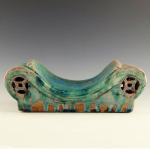

Often perceived as mere accessories for comfort, pillows are, in fact, integral components of a healthy sleep system. Their design and underlying engineering principles play a critical role in determining the quality of our rest and, consequently, our overall health. Beyond the plush exterior lies a complex interplay of materials, loft, and structural integrity, all working in concert to provide the necessary support for the head, neck, and spine. This guide embarks on a detailed exploration of pillow design, with a particular focus on the crucial aspect of edge support, revealing how these elements collectively contribute to optimal sleep posture and a truly restorative night.
The Fundamental Role of Pillows in Sleep
The practice of sleeping on pillows dates back millennia, evolving from simple stone or wooden supports in ancient civilizations to the sophisticated, ergonomic designs we utilize today. While early pillows addressed basic elevation needs, modern pillows fulfill a far more critical purpose: maintaining the natural alignment of the cervical spine during sleep. Without proper support, the head can tilt at unnatural angles, leading to strain on the neck muscles, ligaments, and vertebrae. This misalignment can manifest as stiffness, pain, headaches, and even chronic issues over time, significantly disrupting sleep architecture.
Why Pillows are an Ergonomic Necessity
The human spine has a natural S-curve, and maintaining this curve, even in a prone position, is vital. When we lie down, especially on our side or back, there is a gap between the head and the mattress. A pillow’s primary function is to fill this gap, ensuring that the head and neck are supported in a neutral position, in line with the rest of the spine. This not only prevents discomfort but also promotes relaxation of the muscles, allowing for deeper, more restorative sleep stages.
- Spinal Alignment: A correctly chosen pillow ensures the head and neck are aligned with the rest of the spine, preventing unnatural curvature or torsion.
- Pressure Relief: By cradling the head and neck, pillows distribute weight evenly, alleviating pressure points that can lead to soreness or numbness.
- Muscle Relaxation: When the spine is properly aligned, neck and shoulder muscles can fully relax, reducing tension and promoting comfort.
- Breathing Improvement: For some, especially back sleepers, a pillow can help keep airways open by slightly elevating the head, reducing snoring.

Understanding Pillow Edge Support: A Design Imperative
While the overall loft and firmness of a pillow are commonly discussed, the concept of “edge support” is an often-overlooked yet critical aspect of pillow design. Unlike mattresses, where edge support prevents rolling off and expands the usable surface, in pillows, it refers to the structural integrity and stability of the pillow’s perimeter. It’s about how well the pillow maintains its shape and density from the center to its very edges, ensuring consistent support across its entire surface area.
The Importance of Consistent Perimeter Support
A pillow with poor edge support tends to collapse or flatten significantly at its sides. This can lead to a sensation of the head rolling off the pillow, requiring frequent adjustments during the night. More critically, it means that the effective support area of the pillow is diminished, forcing the sleeper’s head to sink into the center or tilt uncomfortably if they shift towards the edge. This compromises spinal alignment and can negate the benefits of an otherwise well-designed pillow.
- Prevents Head Roll-Off: Strong edges keep the head securely centered, even for restless sleepers.
- Maintains Shape and Loft: Good edge support helps the pillow retain its intended shape and loft over time, resisting premature flattening.
- Consistent Support: Ensures that every part of the head and neck receives uniform support, regardless of slight shifts in position.
- Extends Lifespan: A pillow that maintains its structural integrity longer will provide effective support for an extended period, offering better value.

Engineering Principles of Pillow Side Design and Functionality
The creation of a pillow with superior edge support and overall functionality is a testament to thoughtful engineering. It involves careful consideration of materials, construction techniques, and ergonomic principles. The goal is to create a product that not only feels comfortable initially but also sustains its supportive properties night after night, adapting to various sleep postures and body types.
Materials and Construction for Robust Edges
The choice of fill material is paramount. Memory foam and latex are inherently good at maintaining shape and density, offering natural edge support. However, even pillows with softer fills like down or shredded foam can achieve robust edges through specific construction methods:
- Reinforced Casing: Pillow covers can feature reinforced stitching or denser fabric along the perimeter to provide structural rigidity.
- Gusseted Designs: A gusset is a piece of fabric sewn into the sides of a pillow, creating a box-like shape. This design allows the fill to expand fully to the edges, preventing flattening and providing a higher, more consistent loft across the entire surface.
- Chambered Construction: Some pillows use internal chambers or baffles to contain and compartmentalize the fill, preventing it from shifting away from the edges.
- Blended Fills: Combining different materials, such as a core of firmer foam surrounded by softer fibers, can offer both comfort and structural integrity.
Beyond Edge Support: Holistic Pillow Engineering
Pillow design extends beyond just edge support to encompass a range of functionalities that enhance sleep quality:
- Loft and Firmness: These are calibrated based on expected sleep positions. Side sleepers typically need a higher loft to fill the gap between the shoulder and head, while back sleepers need medium loft, and stomach sleepers require very low loft or no pillow at all.
- Breathability and Temperature Regulation: Materials like open-cell foam, gel infusions, or breathable covers are used to prevent heat buildup, which can disrupt sleep.
- Hypoallergenic Properties: Many modern pillows are designed to resist allergens like dust mites, mold, and mildew, benefiting allergy sufferers.
- Durability and Maintenance: High-quality materials and construction ensure longevity, while removable, washable covers facilitate hygiene.

The Benefits of Advanced Pillow Edge Protection
Investing in a pillow with well-engineered edge protection yields a multitude of benefits that directly translate into improved sleep quality and overall well-being. These advantages extend beyond mere comfort, impacting spinal health, sleep consistency, and the longevity of the product itself. Understanding these benefits can guide consumers toward making more informed choices when selecting their next pillow.
Enhanced Comfort and Stability
A pillow with robust edge support offers a consistently stable surface, preventing the common issue of the head sinking or rolling off the side during sleep. This stability is particularly crucial for active sleepers or those who frequently change positions. The feeling of being securely cradled on a uniform surface reduces micro-arousals caused by discomfort or the need to reposition the pillow. This leads to a more continuous and uninterrupted sleep cycle, allowing the body and mind to achieve deeper stages of rest.
- Reduced Tossing and Turning: Consistent support minimizes discomfort that triggers movement.
- Maximized Usable Surface: The entire pillow surface provides effective support, rather than just the center.
- Improved Sleep Continuity: Less disturbance from an unstable pillow leads to longer periods in deep sleep.
Optimal Spinal Alignment and Pressure Relief
The most significant health benefit of superior edge protection is its contribution to maintaining proper spinal alignment. When the pillow’s edges resist compression, the head and neck remain in a neutral position, directly in line with the rest of the spine. This prevents unnatural angles that can strain muscles and ligaments, leading to neck pain, shoulder stiffness, and even headaches. By distributing weight evenly across the head and neck, pressure points are alleviated, which can be particularly beneficial for individuals prone to discomfort or those recovering from injuries.
- Prevents Cervical Misalignment: Keeps the neck in a healthy, natural curve.
- Alleviates Muscle Strain: Reduces tension in the neck, shoulders, and upper back.
- Decreased Morning Aches: Waking up without stiffness or pain becomes more common.
Increased Durability and Value
Pillows with good edge support are inherently more durable. The structural integrity provided by reinforced edges or gusseted designs helps the pillow resist premature flattening and sagging. This means the pillow retains its supportive qualities for a longer period, extending its effective lifespan. While such pillows might have a slightly higher upfront cost, their enhanced durability and consistent performance offer superior long-term value, reducing the frequency of replacements and ensuring sustained sleep benefits.
- Extended Product Lifespan: Less frequent need to replace pillows due to loss of shape or support.
- Maintains Aesthetic Appeal: Pillows look fuller and more structured over time.
- Better Return on Investment: High-quality construction justifies the initial cost through prolonged performance.

Choosing the Right Pillow for Optimal Sleep Health
Selecting the perfect pillow is a highly personal decision that significantly impacts sleep quality and overall health. With a myriad of options available, understanding the key factors to consider can streamline the process and lead to a more informed choice. The ideal pillow should not only feel comfortable but also provide consistent, ergonomic support throughout the night, aligning with your individual sleep habits and physiological needs.
Key Factors to Consider
When embarking on the search for your next pillow, keep the following critical elements in mind:
- Sleep Position:
- Side Sleepers: Typically require a higher loft and firmer pillow to fill the substantial gap between their head and shoulder, ensuring the head and neck remain aligned with the spine.
- Back Sleepers: Need a medium loft and medium-firmness to cradle the natural curve of the neck without pushing the head too far forward.
- Stomach Sleepers: Often benefit from a very low loft, soft pillow, or even no pillow at all, to prevent excessive neck extension.
- Fill Material:
- Memory Foam: Conforms closely to the head and neck, offering excellent pressure relief and consistent support, often with good inherent edge stability.
- Latex: Offers responsive, buoyant support with good durability and breathability, also providing reliable edge support.
- Down/Feather: Soft and luxurious, but can lack firm support and may require frequent fluffing. Edge support can be an issue if not constructed with baffles.
- Shredded Foam/Adjustable Fills: Allows for customization of loft and firmness, but edge support depends heavily on the casing and fill density.
- Loft and Firmness: These two factors are interdependent and crucial. Loft refers to the pillow’s height, while firmness describes its resistance to compression. Both should be chosen in conjunction with your sleep position and body type. Individuals with broader shoulders, for instance, may need a higher loft.
- Allergies and Sensitivities: If you suffer from allergies, opt for hypoallergenic materials like latex, memory foam, or synthetic fills designed to resist dust mites and other allergens.
- Breathability: Some materials retain heat more than others. Look for pillows with cooling features, gel infusions, or breathable covers if you tend to sleep hot.
When to Replace Your Pillow
Pillows don’t last forever. Over time, even the best-engineered pillows lose their loft, firmness, and supportive qualities due to wear and tear, moisture absorption, and accumulation of skin cells or dust mites. A general guideline is to replace your pillow every 1-2 years. Signs it’s time for a new pillow include:
- Waking up with neck pain or stiffness.
- Frequent tossing and turning to find a comfortable position.
- Visible lumps, sagging, or permanent indentations.
- The “fold test”: if you fold your pillow in half and it doesn’t spring back to its original shape, it’s likely past its prime.
Conclusion: Investing in Quality Sleep
The journey through the intricate world of pillow design, from its fundamental role in spinal alignment to the nuanced engineering of edge support, underscores a vital truth: a pillow is not merely a soft cushion, but a critical tool for health and well-being. The seemingly subtle elements of its construction, particularly the integrity of its perimeter, profoundly influence our comfort, posture, and the restorative capacity of our sleep. By understanding the science behind why we sleep on pillows, the imperative of edge protection, and the principles that govern their functionality, consumers are empowered to make choices that truly enhance their nightly rest.
Prioritizing a pillow with robust design and excellent edge support is an investment in long-term spinal health, reduced discomfort, and consistently higher quality sleep. It’s a recognition that every component of our sleep environment plays a role in fostering a healthier, more vibrant life. Choose wisely, sleep soundly, and embrace the profound benefits that a well-engineered pillow can provide.
Frequently Asked Questions (FAQ)
- Q1: What is the primary purpose of a pillow?
- The primary purpose of a pillow is to maintain the natural alignment of the head, neck, and spine while sleeping. It fills the gap between the head and the mattress, preventing strain on the cervical muscles and ligaments, thereby promoting comfort and restorative sleep.
- Q2: How does edge support benefit my sleep?
- Pillow edge support ensures consistent support across the entire pillow surface, preventing your head from rolling off or the edges from collapsing. This stability helps maintain proper spinal alignment throughout the night, reduces tossing and turning, and maximizes the usable sleep surface, leading to more uninterrupted and comfortable sleep.
- Q3: What materials are best for pillow edge support?
- Materials like memory foam and latex naturally offer good edge support due to their density and ability to retain shape. For pillows with softer fills, designs incorporating reinforced casings, gussets, or internal chambered construction can significantly enhance edge stability, preventing the fill from shifting and maintaining the pillow’s structure.
- Q4: How often should I replace my pillow?
- As a general guideline, pillows should be replaced every 1 to 2 years. Over time, pillows lose their supportive qualities, accumulate allergens, and can become a breeding ground for bacteria. Signs that it’s time for a replacement include visible sagging, lumps, persistent neck pain, or if the pillow no longer springs back when folded.
- Q5: Can a bad pillow cause neck pain?
- Yes, absolutely. A pillow that is too high, too low, too firm, or too soft can force your neck into an unnatural position for hours, leading to muscle strain, stiffness, and chronic neck pain. A pillow without adequate edge support can also cause your head to tilt or roll off, disrupting alignment and contributing to discomfort.
Parenting and child-care note: This article is for general education only. It is not medical diagnosis, pediatric care, mental-health therapy, sleep treatment, emergency guidance, or individualized developmental advice. For symptoms, injury, illness, vaccines, medication, psychological distress, developmental delay, or urgent safety concerns, consult qualified pediatric, mental-health, education, or emergency professionals.