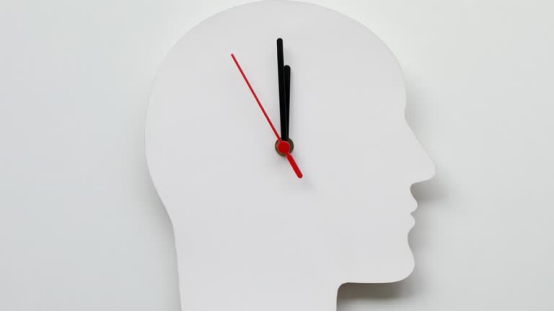

Jet lag, medically known as desynchronosis, is a temporary sleep disorder that can affect anyone who rapidly travels across multiple time zones. It’s a physiological condition resulting from the disruption of the body’s internal clock, or circadian rhythm, which is responsible for regulating sleep-wake cycles, hormone release, body temperature, and other bodily functions. When you cross time zones quickly, your internal clock remains aligned with your original time zone, while your new environment demands a different schedule. This misalignment can lead to a range of uncomfortable symptoms, significantly impacting your travel experience, productivity, and overall well-being. Understanding the intricate mechanisms of jet lag and implementing proactive adaptation strategies are crucial for minimizing its effects and ensuring a smoother transition to your destination’s local time.
Understanding Jet Lag: The Science Behind Circadian Disruption
At the core of jet lag lies the human body’s intricate circadian rhythm, a roughly 24-hour cycle that governs various physiological processes. This internal clock is primarily regulated by the suprachiasmatic nucleus (SCN) in the brain, which is highly sensitive to light cues. When you travel across time zones, the external light-dark cycle changes abruptly, but your SCN, along with other bodily systems, struggles to catch up immediately. This internal and external time conflict is the fundamental cause of jet lag, leading to a cascade of physical and mental symptoms.
What is the Circadian Rhythm?
The circadian rhythm is more than just a sleep-wake cycle; it’s a master regulator influencing nearly every cell in your body. It dictates when you feel sleepy, when you’re most alert, your core body temperature fluctuations, and the release of hormones like melatonin (which promotes sleep) and cortisol (which promotes wakefulness). These rhythms are synchronized by external cues, primarily light, but also meal times, social interactions, and physical activity. When these cues are suddenly out of sync with your internal clock, your body experiences a state of confusion, trying to operate on one schedule while the environment demands another.
How Jet Lag Impacts Your Body and Mind
The impact of jet lag extends beyond mere tiredness. The desynchronization affects multiple bodily systems, leading to a range of symptoms that can vary in intensity depending on the number of time zones crossed, the direction of travel (eastward travel is generally harder), and individual susceptibility. Your digestive system, for instance, may still expect food at certain times, leading to digestive upset when meals are eaten at new, unaccustomed hours. Your cognitive functions, mood, and physical performance can also be significantly impaired.
- Sleep Disturbances: Difficulty falling asleep at the local bedtime, waking up frequently during the night, or waking too early in the morning.
- Fatigue and Drowsiness: Profound tiredness, especially during the day when you’re expected to be alert.
- Cognitive Impairment: Difficulty concentrating, memory problems, and reduced mental sharpness.
- Digestive Issues: Nausea, indigestion, constipation, or diarrhea due to disrupted eating schedules.
- Mood Changes: Irritability, anxiety, or general malaise.
- Physical Symptoms: Headaches, muscle aches, and a general feeling of being unwell.
The severity of these symptoms often correlates directly with the number of time zones crossed. For example, traveling across 6-8 time zones will typically result in more pronounced symptoms than crossing only 2-3.

Pre-Travel Strategies: Preparing Your Body for the Shift
Effective jet lag management begins long before you even step foot on a plane. Proactive planning and gradual adjustments can significantly reduce the severity of symptoms upon arrival. By slowly shifting your body’s internal clock closer to your destination’s time zone, you minimize the shock of the abrupt change.
Gradual Sleep Schedule Adjustment
One of the most effective pre-travel strategies is to incrementally adjust your sleep-wake cycle. This method aims to gently nudge your circadian rhythm in the direction of your destination’s time. For eastward travel, where you “lose” hours, try going to bed and waking up an hour earlier each day for several days before your trip. For westward travel, where you “gain” hours, shift your bedtime and wake-up time an hour later each day. This gradual change allows your body to adapt without drastic disruption.
- Eastward Travel (e.g., New York to London): For every time zone you cross, try to shift your bedtime and wake-up time by 15-30 minutes earlier for 2-4 days leading up to your departure. For a 6-hour time difference, this could mean starting the adjustment 4-6 days in advance.
- Westward Travel (e.g., London to New York): Similarly, shift your bedtime and wake-up time by 15-30 minutes later for several days prior to departure. This helps your body prepare for a longer day.
Consistency is key during this pre-adjustment phase. Stick to your new schedule even on weekends to reinforce the changes.
Optimizing Your Travel Schedule
The timing of your flights can also play a significant role in how well you adapt. Whenever possible, choose flights that allow you to arrive at your destination in the late afternoon or early evening. This way, you can have a light meal, engage in some mild activity, and then aim to go to bed at a reasonable local time. This immediate immersion into the local schedule helps to anchor your circadian rhythm more quickly.
Consider the duration of your trip. If it’s a very short trip (1-2 days), it might be more beneficial to maintain your home time zone schedule as much as possible to avoid the full cycle of adaptation and re-adaptation. For longer trips, full adaptation is recommended.
Hydration and Nutrition Before Flying
Maintaining good health before and during your flight is paramount. Dehydration can exacerbate jet lag symptoms, making you feel more fatigued and disoriented. Start increasing your water intake a day or two before your flight. Similarly, focusing on nutritious, light meals can help. Avoid heavy, greasy foods that can cause digestive discomfort, especially when your body is already under stress.
- Hydration: Drink plenty of water and herbal teas. Avoid excessive alcohol or caffeine, which can dehydrate you and interfere with sleep.
- Nutrition: Opt for balanced meals rich in fruits, vegetables, and lean proteins. Try to avoid processed foods, high sugar content, and very fatty meals.

During-Flight Tactics: Minimizing Impact Mid-Air
The journey itself presents a crucial window of opportunity to begin adapting to your new time zone. Strategic actions taken while airborne can significantly mitigate the effects of jet lag, setting you up for a smoother transition upon arrival.
Strategic Sleep and Wake Cycles on the Plane
As soon as you board the plane, mentally (or physically) switch to your destination’s time zone. Adjust your watch and try to align your activities with what you would be doing at your destination. If it’s nighttime at your destination, try to sleep on the plane. Use sleep masks, earplugs, and comfortable clothing to facilitate rest. If it’s daytime, try to stay awake and engage in activities like reading, watching movies, or working.
- Simulate Night: For sleep, create a dark, quiet environment. Avoid screen time from electronic devices, as blue light can suppress melatonin production.
- Simulate Day: If you need to stay awake, try to engage your mind. Get up and move around the cabin when permitted to promote alertness and circulation.
Even short, strategic naps can be beneficial if full sleep isn’t possible, but avoid long naps that might interfere with your ability to sleep at your destination’s local bedtime.
Light Exposure Management
Light is the most powerful synchronizer of the circadian rhythm. During your flight, try to manage your light exposure in accordance with your destination’s time. If you’re flying eastward and it’s morning at your destination, expose yourself to bright light. If it’s evening, minimize light exposure. This can be challenging on a plane, but closing window shades, using a sleep mask, or strategically using a portable light therapy device can help.
For example, if flying from West to East (e.g., USA to Europe), you’ll want to push your clock forward. Seek bright light in the morning at your destination’s time and avoid light in the evening. If flying from East to West (e.g., Europe to USA), you’ll want to delay your clock. Avoid bright light in the early morning at your destination’s time and seek it in the late afternoon/early evening.
Avoiding Alcohol and Caffeine
While an alcoholic drink might seem like a good way to relax and fall asleep on a plane, both alcohol and caffeine can severely disrupt your sleep quality and hydration levels. Alcohol can induce fragmented sleep and dehydration, exacerbating jet lag symptoms. Caffeine, while useful for staying awake at specific times, can interfere with your ability to sleep when you need to. It’s best to limit or completely avoid both during your flight, opting instead for water, juice, or herbal tea.
- Alcohol: Acts as a diuretic and disrupts sleep architecture, leading to less restorative sleep.
- Caffeine: Has a half-life of several hours, meaning it stays in your system long after consumption and can prevent you from falling asleep when desired.
Prioritizing hydration with water throughout the flight is a simple yet profoundly effective strategy to combat fatigue and maintain overall well-being.

Post-Arrival Adaptation: Resetting Your Biological Clock
Once you’ve landed, the real work of adapting to your new time zone begins. The first 24-48 hours are critical for establishing a new routine and signaling to your body that a shift has occurred. Immediate and consistent actions will accelerate your body’s adjustment process.
Immediate Light Exposure and Activity
Upon arrival, immerse yourself in the local time. If it’s daytime, seek out natural light as much as possible. Go outside, take a walk, or sit by a window. Bright light is the most powerful zeitgeber (time-giver) and helps suppress melatonin, signaling to your brain that it’s time to be awake. Engage in moderate physical activity, like walking, to boost alertness and energy. Avoid the temptation to immediately nap if it’s not the local bedtime, as this can further entrench your old sleep schedule.
- Daytime Arrival: Maximize outdoor light exposure. Walk around, explore, and stay active.
- Nighttime Arrival: Keep lights dim, prepare for bed, and try to sleep as soon as possible.
The goal is to align your body’s activity and light exposure with the local time from the moment you land.
Melatonin and Other Sleep Aids: When and How
Melatonin, a hormone naturally produced by the pineal gland, plays a crucial role in regulating sleep. As a supplement, it can be useful in signaling to your body that it’s nighttime. However, timing is everything. Taking melatonin at the wrong time can actually worsen jet lag. For eastward travel, take a small dose (0.5-3 mg) about 30 minutes before your desired bedtime in the new time zone for the first few nights. For westward travel, melatonin is generally less crucial unless you have trouble falling asleep later than usual.
Other over-the-counter sleep aids or prescription medications should be used with caution and preferably under medical advice. While they can induce sleep, they may not promote natural circadian rhythm adjustment and can sometimes lead to grogginess.
Napping Strategies: Short vs. Long
If you feel an overwhelming urge to nap during the day, keep it short and strategic. A “power nap” of 20-30 minutes can refresh you without pushing you into deep sleep cycles that make it harder to sleep at night. Avoid long naps (over 90 minutes) during the day, as these can interfere with your ability to fall asleep at the local bedtime and perpetuate the jet lag cycle. If you must nap, set an alarm and ensure you wake up before entering deep sleep.
- Short Naps (20-30 minutes): Can provide a refreshing boost.
- Long Naps (90+ minutes): Disrupt nocturnal sleep and should generally be avoided.
The best approach is to try and push through until the local bedtime if possible, even if you feel tired.
Diet and Meal Timing for Circadian Reset
Just like light, meal timing can influence your circadian rhythm. Try to eat your meals according to the local schedule, even if you’re not particularly hungry. Eating at new times helps to reset the “food clock” in your digestive system, which is another component of your internal timing system. Focus on balanced, light meals, especially in the evening. Avoid heavy, rich foods close to bedtime, as they can interfere with sleep quality.
- Breakfast: Eat a protein-rich breakfast soon after waking up to signal the start of the day.
- Dinner: Opt for lighter meals in the evening to aid digestion and promote sleep.
- Hydration: Continue to drink plenty of water throughout the day to combat dehydration.
Consistency in meal times sends powerful signals to your body about the new daily rhythm.

Advanced Techniques and Medical Considerations
While the fundamental strategies of light management, sleep hygiene, and gradual adjustment are effective for most travelers, certain situations or persistent symptoms may warrant more advanced techniques or medical consultation. Understanding these options can provide additional layers of defense against severe jet lag.
Pharmacological Interventions (Prescription Medications)
For individuals experiencing severe or persistent jet lag, especially frequent business travelers or those with underlying sleep disorders, prescription medications might be considered. These typically fall into two categories:
- Hypnotics (Sleep Aids): Medications like zolpidem (Ambien) or eszopiclone (Lunesta) can help induce sleep during the initial nights in the new time zone. They are generally prescribed for short-term use due to potential side effects and risk of dependence.
- Wakefulness-Promoting Agents: Modafinil (Provigil) or armodafinil (Nuvigil) may be prescribed to help travelers stay awake and alert during the day at their destination. These are typically used in specific occupational settings where maintaining high alertness is critical.
It is crucial to consult a healthcare professional before considering any prescription medication for jet lag. They can assess your individual health profile, potential drug interactions, and provide guidance on appropriate usage and dosage.
The Role of Exercise in Recovery
Physical activity can be a powerful tool in combating jet lag, but its timing and intensity are important. Engaging in moderate exercise during the daytime at your destination can help boost alertness, reduce fatigue, and promote better sleep at night. Exercise helps to synchronize your body’s internal clock through its impact on body temperature and hormone release.
- Daytime Exercise: A brisk walk, a light jog, or a gym session during the local daytime can energize you and signal to your body that it’s active time.
- Avoid Evening Exercise: Intense exercise too close to bedtime can elevate core body temperature and stimulate the nervous system, making it harder to fall asleep. Aim to finish any vigorous activity at least 3-4 hours before your desired bedtime.
Even light stretching or yoga can be beneficial for circulation and relaxation, contributing to overall well-being during adaptation.
When to Seek Professional Advice
While most cases of jet lag resolve within a few days, there are instances when professional medical advice becomes necessary. If you experience unusually severe symptoms, such as extreme disorientation, debilitating fatigue that persists beyond a week, or significant psychological distress, it’s advisable to consult a doctor. This is particularly important if you have pre-existing medical conditions that could be exacerbated by sleep disruption or if you are taking medications that might interact with jet lag treatments.
A sleep specialist or travel medicine physician can offer personalized strategies, evaluate for underlying sleep disorders, and recommend appropriate interventions tailored to your specific travel patterns and health needs. They can also provide guidance on the use of light therapy devices or specific medication regimens.

Long-Term Management and Preventing Recurrence
For frequent travelers, jet lag can become a recurring challenge. Implementing long-term management strategies and understanding subtle differences in travel direction can help minimize its impact over time and prevent its recurrence, fostering a more resilient circadian rhythm.
Establishing a Consistent Routine
One of the most powerful tools against recurrent jet lag is maintaining a consistent daily routine when you are not traveling. Regular sleep and wake times, consistent meal schedules, and daily light exposure help to strengthen your body’s natural circadian rhythm. A robust and well-regulated internal clock is more adaptable and can recover more quickly from disruptions. Even on weekends, try to stick within an hour or so of your weekday schedule.
- Sleep Hygiene: Prioritize a dark, quiet, and cool bedroom environment. Avoid screens before bed.
- Regular Meals: Eat at consistent times each day to reinforce your digestive system’s clock.
- Daily Activity: Incorporate regular physical activity into your routine.
A strong baseline circadian rhythm acts as a buffer, making it easier for your body to adjust when confronted with time zone changes.
Understanding East vs. West Travel
It’s a common observation that traveling eastward tends to be more challenging for jet lag adaptation than traveling westward. This is because when you travel east, your day is shortened, requiring you to go to bed and wake up earlier than your body is accustomed to. This effectively means “losing” hours, which is harder for the body to adjust to. Traveling westward, conversely, lengthens your day, requiring you to stay up later and wake up later, which is generally easier for the body to tolerate.
- Eastward Travel (Phase Advance): Requires advancing your internal clock. This often feels like staying up all night and then trying to sleep during the day. Strategies should focus on early light exposure at the destination and early melatonin use.
- Westward Travel (Phase Delay): Requires delaying your internal clock. This often feels like a long day, but sleeping later is usually more manageable. Strategies should focus on avoiding early morning light at the destination and seeking light in the late afternoon/evening.
Being aware of these directional differences allows for more targeted and effective pre-travel and post-arrival strategies, optimizing your adaptation plan for each specific journey.
Frequently Asked Questions (FAQ)
- Q1: How long does it typically take to recover from jet lag?
- Recovery time varies based on the individual and the number of time zones crossed. A general rule of thumb is that it takes approximately one day per time zone crossed to fully recover. For example, crossing six time zones might mean a recovery period of about six days, though significant improvement is often felt within 2-3 days with proper management.
- Q2: Is it better to stay up or sleep on the plane?
- It’s best to try and align your sleep-wake cycle with your destination’s time zone as soon as you board the plane. If it’s nighttime at your destination, try to sleep. If it’s daytime, try to stay awake. This immediate shift helps your body begin the adaptation process early and reduces the shock upon arrival.
- Q3: Can food help with jet lag?
- Yes, meal timing can influence your circadian rhythm. Eating meals according to the local schedule, especially breakfast soon after waking and lighter dinners, helps to reset your body’s “food clock.” Staying well-hydrated and avoiding heavy, fatty, or sugary foods, alcohol, and excessive caffeine also significantly aids in adaptation and reduces symptoms.
- Q4: Should I use melatonin for jet lag, and when?
- Melatonin can be effective, particularly for eastward travel where you need to shift your sleep earlier. Take a small dose (0.5-3 mg) about 30 minutes before your desired bedtime in the new time zone for the first few nights. For westward travel, it’s generally less critical unless you struggle to fall asleep later. Always consult a healthcare professional for personalized advice on dosage and timing.
- Q5: What’s the most important thing to do immediately after landing?
- Upon arrival, immediately immerse yourself in the local time. If it’s daytime, seek bright natural light as much as possible, go outside, and stay active. If it’s nighttime, try to minimize light exposure and prepare for bed at a reasonable local hour. This immediate alignment with the new environment is crucial for rapidly resetting your biological clock.