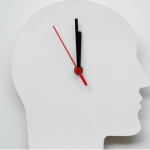
Our bodies operate on a finely tuned internal schedule, a 24-hour cycle known as the circadian rhythm. This biological clock, primarily governed by a master clock in the brain called the suprachiasmatic nucleus (SCN), dictates our sleep-wake patterns, hormone release, body temperature, and other vital functions. When this internal clock falls out of sync with the external environment—the natural light-dark cycle—it can lead to a group of conditions known as Circadian Rhythm Sleep-Wake Disorders (CRSWDs). These disorders are not about the inability to sleep, but rather the inability to sleep at the correct, conventional times, leading to significant disruption in daily life, health, and overall well-being.
Understanding these disorders is the first step toward effective management. They go beyond simple “night owl” or “early bird” tendencies, representing a true misalignment that can cause chronic sleep deprivation, impaired performance, and increased risk for other health issues. This guide provides an in-depth exploration of the various types of CRSWDs, their distinct symptoms, the diagnostic process, and the multifaceted treatment strategies available to help realign the body’s internal clock with the demands of a healthy life.
Understanding the Core Mechanisms of CRSWDs
At the heart of every CRSWD is a disconnect between an individual’s endogenous circadian rhythm and the required or desired sleep-wake schedule. The SCN, located in the hypothalamus, acts as the body’s master pacemaker. It receives direct input from the eyes about light exposure, which is the most powerful environmental cue (or zeitgeber) for synchronizing our internal clock. When the SCN functions correctly, it promotes wakefulness during the day by suppressing melatonin and promotes sleep at night by allowing the pineal gland to release it. In CRSWDs, this process is disrupted. This can happen for two primary reasons: a problem with the internal clock itself (intrinsic) or a forced misalignment due to external factors (extrinsic).
Intrinsic vs. Extrinsic Factors
Circadian rhythm disorders are broadly categorized based on their origin. Understanding this distinction is crucial for diagnosis and treatment.
- Intrinsic Disorders: These arise from a dysfunction within the body’s own timekeeping system. The internal clock either runs significantly longer or shorter than 24 hours, or it fails to maintain a consistent rhythm. Genetic predispositions often play a significant role in these conditions. Examples include Delayed Sleep-Wake Phase Disorder and Advanced Sleep-Wake Phase Disorder.
- Extrinsic Disorders: These occur when the internal clock is functioning normally but is forced out of sync by external environmental or social schedules. The body is capable of maintaining a 24-hour rhythm, but lifestyle demands prevent it from doing so. The most common examples are Shift Work Disorder and Jet Lag.

Intrinsic Types of Circadian Rhythm Disorders
Intrinsic disorders stem from an individual’s unique biological wiring. The internal clock is fundamentally programmed to follow a pattern that is out of step with the typical 24-hour societal norm. These conditions are often lifelong and can be challenging to manage without targeted interventions.
Delayed Sleep-Wake Phase Disorder (DSWPD)
Often referred to as the “night owl” syndrome, DSWPD is characterized by a sleep-wake cycle that is delayed by two or more hours relative to conventional times. Individuals with DSWPD struggle to fall asleep before the early morning hours (e.g., 2:00 AM to 6:00 AM) and consequently have extreme difficulty waking up for typical school or work schedules. If allowed to follow their own schedule, their sleep is of normal quality and duration. The primary issue is the conflict with social norms, which often leads to chronic sleep deprivation, daytime sleepiness, and impaired academic or professional performance.
Advanced Sleep-Wake Phase Disorder (ASWPD)
ASWPD is the mirror image of DSWPD, often seen in older adults. Individuals with this disorder feel sleepy and go to bed very early in the evening (e.g., 6:00 PM to 9:00 PM) and wake up very early in the morning (e.g., 2:00 AM to 5:00 AM). While they may get a full night’s sleep, the early awakening can lead to social isolation in the evenings and daytime sleepiness if they try to stay awake later. It is less common than DSWPD and is often associated with a genetic component.
Irregular Sleep-Wake Rhythm Disorder (ISWRD)
ISWRD is a rare and complex disorder where the sleep-wake cycle lacks any clear, consistent pattern. Instead of one consolidated nighttime sleep period, sleep is fragmented into at least three short bouts spread across a 24-hour day. Individuals with ISWRD may nap frequently and unpredictably, with no main anchor for sleep. Total sleep time over 24 hours may be normal, but the fragmented nature leads to chronic insomnia at night and excessive sleepiness during the day. This disorder is most commonly seen in individuals with neurodegenerative diseases like Alzheimer’s or Parkinson’s, or in those with developmental disabilities, as it is often linked to a weakened signal from the SCN or reduced exposure to environmental cues like light and social activity.
Non-24-Hour Sleep-Wake Rhythm Disorder (N24SWD)
In N24SWD, the internal clock is not synchronized to a 24-hour day and instead “free-runs” on its own cycle, which is typically slightly longer than 24 hours. This causes the individual’s sleep-wake times to shift progressively later each day. For a period, their schedule may align with societal norms, but it inevitably drifts out of sync again, leading to cyclical periods of insomnia and daytime sleepiness. N24SWD is most common in totally blind individuals who lack the light perception necessary to entrain their SCN to the 24-hour day.

Extrinsic Types of Circadian Rhythm Disorders
Extrinsic disorders are caused by a conflict between a healthy, functional internal clock and a lifestyle or environment that forces it to operate on an unnatural schedule. These conditions are a direct result of modern societal demands.
Shift Work Disorder
This disorder affects individuals who work non-traditional hours, such as night shifts, rotating shifts, or early morning shifts. Their work schedule is in direct opposition to their body’s natural drive to be awake during the day and asleep at night. Symptoms include excessive sleepiness during work shifts and insomnia when trying to sleep during the day. This chronic misalignment can lead to an increased risk of accidents, poorer job performance, and long-term health problems, including cardiovascular and metabolic issues.
Jet Lag Disorder
Jet lag is a temporary disorder that occurs when a person travels rapidly across two or more time zones. The body’s internal clock remains synchronized to the original time zone, while the external environment (light, meal times) reflects the new one. This mismatch results in difficulty sleeping at the appropriate time in the new location, daytime fatigue, gastrointestinal issues, and general malaise. The severity of jet lag typically depends on the number of time zones crossed and the direction of travel, with eastward travel generally being more difficult to adapt to.

Common Symptoms and Health Consequences
While each CRSWD has unique characteristics, they share a core set of symptoms stemming from the fundamental misalignment between the internal clock and the external world. Recognizing these symptoms is the first step toward seeking a proper diagnosis.
Primary Sleep-Related Symptoms
The most direct consequences of a misaligned circadian rhythm are sleep problems. These are not just about feeling tired; they manifest in specific patterns.
- Insomnia: Difficulty falling asleep or staying asleep at desired times. For a DSWPD patient, this is sleep-onset insomnia; for an ASWPD patient, it’s sleep-maintenance insomnia (waking too early).
- Excessive Daytime Sleepiness (EDS): A pervasive feeling of drowsiness and fatigue during waking hours when one needs to be alert and functional.
- Non-Restorative Sleep: Waking up feeling unrefreshed, even if the total sleep duration seems adequate.
- Reduced Performance: Difficulty with concentration, memory, and reaction time, impacting work, school, and safety-sensitive tasks like driving.
Broader Health and Well-being Risks
The impact of CRSWDs extends far beyond sleep. Chronic misalignment can take a toll on both mental and physical health.
- Mental Health Issues: There is a strong link between CRSWDs and an increased risk for depression, anxiety, and other mood disorders.
- Metabolic Syndrome: Disrupted circadian rhythms can affect metabolism, increasing the risk for obesity, type 2 diabetes, and high blood pressure.
- Cardiovascular Problems: Long-term misalignment, especially from shift work, is associated with a higher incidence of heart disease.
- Gastrointestinal Issues: The digestive system follows a circadian rhythm, and disrupting it can lead to problems like indigestion and irritable bowel syndrome.

Diagnosis and Professional Evaluation
Diagnosing a CRSWD requires a thorough evaluation by a healthcare provider, often a sleep specialist, to differentiate it from other sleep disorders like primary insomnia or sleep apnea. A diagnosis is typically based on a combination of patient history and objective data collection.
The Role of a Sleep Specialist
A sleep specialist will conduct a detailed clinical interview, asking about sleep patterns, work schedules, lifestyle habits, and the impact of sleepiness on daily functioning. They need to understand when you feel sleepy, when you sleep, and how this pattern conflicts with your life. It’s crucial to rule out other medical conditions or medications that could be causing the symptoms.
Key Diagnostic Tools and Methods
To get an objective picture of the sleep-wake cycle, specialists rely on several tools.
- Sleep Diary (or Sleep Log): The patient is asked to record their sleep and wake times, naps, and levels of alertness over several weeks. This provides a detailed, subjective account of their pattern.
- Actigraphy: This involves wearing a small, watch-like device on the wrist that measures activity and rest periods over an extended time (usually 1-2 weeks). It provides objective data on sleep patterns, sleep duration, and wakefulness, helping to confirm the pattern suggested by the sleep diary.
- Polysomnography (In-Lab Sleep Study): While not always required for CRSWDs, it may be used to rule out other co-existing sleep disorders, such as sleep apnea, that could be contributing to the symptoms.
- Melatonin Level Measurement: In some cases, measuring the timing of melatonin onset in saliva or blood (Dim Light Melatonin Onset or DLMO) can be used to pinpoint the body’s internal biological night.

Comprehensive Treatment Strategies for CRSWDs
Treatment for circadian rhythm disorders focuses on realigning the internal body clock with the desired sleep-wake schedule. This is typically achieved through a multi-component approach that combines behavioral changes and therapeutic interventions. The goal is not to “cure” the underlying tendency but to manage it effectively.
Light Therapy (Phototherapy)
Light is the most powerful tool for shifting the circadian rhythm. Bright light therapy involves timed exposure to a special light box that mimics natural daylight. The timing is critical:
- For DSWPD (Night Owls): Exposure to bright light shortly after waking up in the morning helps to advance (shift earlier) the circadian clock.
- For ASWPD (Morning Larks): Exposure to bright light in the evening can help to delay (shift later) the circadian clock.
Behavioral and Lifestyle Adjustments
Strong sleep hygiene and consistent routines are foundational to managing CRSWDs. These strategies help strengthen the signals to the body clock.
- Maintain a Strict Sleep-Wake Schedule: Go to bed and wake up at the same time every day, including weekends, to help stabilize the internal clock.
- Strategic Napping: Short, planned naps can help manage daytime sleepiness but should be avoided close to the desired bedtime.
- Timed Exercise and Meals: Regular meal times and exercise can act as secondary cues to entrain the circadian rhythm. Avoid heavy meals and intense exercise too close to bedtime.
- Optimize the Sleep Environment: Ensure the bedroom is dark, quiet, and cool. Use blackout curtains and avoid blue light from screens (phones, tablets, TVs) in the hours leading up to sleep.
Chronotherapy
Chronotherapy is a more intensive behavioral technique used primarily for DSWPD. It involves progressively delaying bedtime by a few hours each day, moving the sleep period around the clock until the desired schedule is reached. This must be done under medical supervision as it is highly disruptive and requires strict adherence to succeed.
Pharmacological Interventions
Medication can be used to help shift the sleep-wake cycle, often in conjunction with other therapies.
- Melatonin: A strategically timed, low-dose melatonin supplement can help signal to the body that it is time to prepare for sleep. For DSWPD, it is taken in the evening, several hours before the desired bedtime. For ASWPD, a very low dose in the morning may be considered.
- Sleep-Promoting Medications: In some cases, a doctor might prescribe short-term sleep aids to help a person fall asleep at the desired time while their clock is being realigned.
- Wakefulness-Promoting Agents: For individuals with severe daytime sleepiness, such as those with Shift Work Disorder, medications like modafinil may be prescribed to improve alertness during work hours.

Living With and Managing a Circadian Rhythm Disorder
Managing a CRSWD is a long-term commitment. It often involves a combination of accepting one’s natural chronotype and using therapeutic tools to adapt to societal demands. For some, this may mean seeking flexible work or school schedules that better align with their biological rhythm. For others, it requires diligent, daily application of light therapy and strict scheduling. The key is consistency. A few late nights or missed morning light sessions can cause the internal clock to quickly revert to its natural, misaligned pattern. Support from family, employers, and healthcare providers is invaluable in successfully navigating the challenges posed by these complex conditions and maintaining a high quality of life.
Frequently Asked Questions (FAQ)
- What is the most common circadian rhythm disorder?
- Delayed Sleep-Wake Phase Disorder (DSWPD) is considered one of the most common CRSWDs, particularly prevalent among adolescents and young adults. Its symptoms of being a “night owl” are often dismissed as poor habits, but it represents a true biological delay in the sleep-wake cycle.
- Can you fix a circadian rhythm disorder on your own?
- While mild issues can be improved with strict sleep hygiene and lifestyle adjustments, moderate to severe CRSWDs typically require professional guidance. A sleep specialist can provide an accurate diagnosis and create a structured treatment plan involving tools like timed bright light therapy and melatonin, which are most effective when administered correctly.
- How is a circadian rhythm disorder different from insomnia?
- The core difference is timing. A person with primary insomnia has difficulty falling or staying asleep despite having the opportunity during their body’s natural sleep window. A person with a CRSWD can typically get good quality sleep, but only if they sleep on their body’s preferred, misaligned schedule. Their “insomnia” only occurs when they try to sleep at conventional times.
- Does diet affect your circadian rhythm?
- Yes, the timing of your meals can act as a cue for your internal clock. Eating at regular times each day can help reinforce a stable circadian rhythm. Conversely, eating large meals late at night can send conflicting signals to your body and may disrupt sleep. Consistency in meal timing is an important part of overall circadian health.
- How long does it take to treat a circadian rhythm disorder?
- Treating a CRSWD is more about management than a one-time cure. Initial realignment using therapies like bright light or chronotherapy can take several weeks of consistent effort. However, because intrinsic disorders represent a person’s natural tendency, ongoing maintenance is required. Lifelong adherence to the management plan is often necessary to prevent the body clock from drifting back to its original, misaligned schedule.
Parenting and child-care note: This article is for general education only. It is not medical diagnosis, pediatric care, mental-health therapy, sleep treatment, emergency guidance, or individualized developmental advice. For symptoms, injury, illness, vaccines, medication, psychological distress, developmental delay, or urgent safety concerns, consult qualified pediatric, mental-health, education, or emergency professionals.