
Understanding the Nighttime Anxiety Cycle
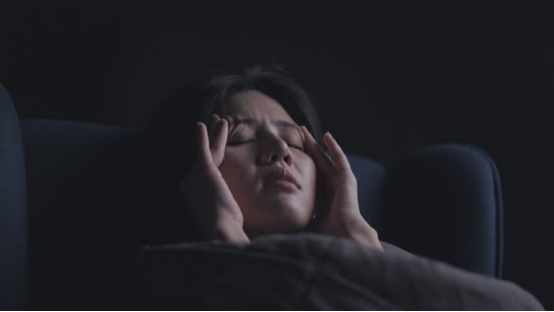
For millions of adults, the bedroom transforms from a sanctuary of rest into a psychological battleground the moment the lights go out. The nighttime anxiety cycle is a deeply entrenched neurobiological loop where the quietness of the evening amplifies intrusive thoughts, leading to severe emotional distress and subsequent insomnia. Unlike generalized anxiety that permeates throughout the day, nighttime anxiety specifically capitalizes on the absence of daytime distractions. When the brain is no longer occupied with work, social interactions, or media consumption, unresolved stressors rush to the forefront of consciousness.
This phenomenon creates a self-perpetuating curse. As you lie awake worrying about your finances, relationships, or career, the clock continues to tick. The original anxiety is soon compounded by a secondary, more immediate fear: the fear of not sleeping. This secondary anxiety triggers a physiological stress response, flooding the body with wakefulness-promoting hormones and making sleep mathematically impossible. Understanding the architecture of this cycle is the first, non-negotiable step toward dismantling it.
The Bidirectional Relationship Between Sleep and Mental Health
Clinical research has definitively established that anxiety and sleep share a bidirectional, symbiotic relationship. It is not merely that anxiety causes sleep deprivation; sleep deprivation actively degrades the brain’s ability to regulate anxiety. When you experience a deficit in Rapid Eye Movement (REM) and deep slow-wave sleep, the amygdala—the brain’s emotional processing center—becomes hyperactive. Simultaneously, the prefrontal cortex, which logically suppresses irrational fears, becomes impaired.
- Emotional Dysregulation: Even a single night of poor sleep can increase baseline anxiety levels by up to 30%, making you more susceptible to panic the following night.
- Cognitive Distortion: Sleep loss warps perspective, causing minor inconveniences to be perceived as catastrophic threats.
- Neurological Vulnerability: Chronic insomnia fundamentally alters brain plasticity, hardwiring the nervous system to remain in a state of hypervigilance.
Breaking this cycle requires a targeted intervention that addresses both the psychological rumination and the physiological arousal simultaneously. Treating only the sleep deficit without addressing the anxiety, or vice versa, often leads to relapse.

The Biological and Psychological Roots of Sleep Anxiety
To effectively combat nighttime anxiety, one must dissect its origins. Biologically, the human body operates on a circadian rhythm governed by the release of specific hormones. In a healthy system, cortisol (the stress hormone) naturally dips in the evening, allowing melatonin (the sleep hormone) to rise. However, individuals suffering from sleep anxiety experience a devastating disruption in this endocrine dance. The anticipation of lying awake triggers an inappropriate cortisol spike precisely when the body should be winding down.
Psychologically, the modern lifestyle is a perfect incubator for sleep anxiety. We are constantly inundated with micro-stressors throughout the day. Because our schedules are packed from dawn until dusk, the brain is deprived of the necessary downtime to process daily events. Consequently, the moment your head hits the pillow becomes the first opportunity your brain has to file away the day’s data, leading to an overwhelming flood of cognitive processing.
Hyperarousal and the Nervous System
At the core of nighttime anxiety is a state of hyperarousal. The autonomic nervous system is divided into the sympathetic (fight-or-flight) and parasympathetic (rest-and-digest) branches. Sleep anxiety forcefully engages the sympathetic nervous system. Your brain misinterprets the quiet dark room as an environment requiring extreme vigilance, reacting as if a physical predator is present.
This evolutionary mismatch means that your logical brain knows you are safe in bed, but your primitive brain is preparing you for combat. This disconnect is why simply telling yourself to “calm down” is neurologically ineffective; you cannot negotiate with a nervous system that is actively pumping adrenaline into your bloodstream.

How Worrying Manifests into Physical Insomnia
Anxiety is rarely confined to the mind; it loudly broadcasts itself through the body. The transition from abstract worrying to physical insomnia is marked by a series of somatic symptoms that actively block the onset of sleep. When the brain perceives a threat (even an imagined one, like failing an upcoming presentation), it initiates a cascade of physiological changes designed to keep you awake and alert. This somatic anxiety creates a physical barrier to the relaxation required for the sleep gates to open.
Many chronic insomnia sufferers fail to recognize that their physical restlessness is actually a symptom of unmanaged anxiety. By mapping these physical manifestations, individuals can begin to apply targeted relaxation techniques rather than relying on sheer willpower to fall asleep.
Cognitive vs. Somatic Anxiety Symptoms
Understanding the difference between cognitive and somatic symptoms is crucial for selecting the right therapeutic intervention. Cognitive anxiety requires mental reframing, while somatic anxiety requires physical down-regulation.
| Symptom Category | Specific Manifestations at Night | Impact on Sleep Architecture |
|---|---|---|
| Cognitive Anxiety | Racing thoughts, catastrophic forecasting, mental list-making, playing out imaginary arguments. | Prevents the brain from entering the alpha and theta wave states necessary for Stage 1 sleep. |
| Somatic Anxiety | Elevated heart rate, shallow chest breathing, gastrointestinal distress, muscle tension (especially jaw and shoulders). | Blocks the drop in core body temperature and heart rate required for deep, restorative sleep. |
The “Trying to Sleep” Paradox further complicates this physical manifestation. Sleep is an autonomic process; it happens when you yield to it, not when you force it. The harder you try to sleep, the more frustrated you become, which increases somatic arousal. This paradox traps the individual in a state of exhausted wakefulness.

Proven Strategies to Break the Curse of Nighttime Worrying
Escaping the nighttime anxiety cycle requires proactive, intentional strategies implemented long before bedtime. Reactive strategies—such as trying to meditate only after you have been tossing and turning for two hours—are rarely effective because the nervous system is already too escalated. Instead, breaking the curse requires a strategic decoupling of the bed from the act of worrying, teaching the brain that the bedroom is strictly reserved for sleep and intimacy.
One of the most powerful psychological tools is Paradoxical Intention. This cognitive behavioral technique involves lying in bed and actively trying to stay awake while keeping your eyes open in the dark. By removing the performance pressure of “having to fall asleep,” the secondary anxiety evaporates. Without the anxiety fueling the hyperarousal, the natural sleep drive often takes over, resulting in surprisingly rapid sleep onset.
Implementing a Structured “Worry Journal”
Because the brain uses bedtime to process unresolved issues, you must artificially create a processing window earlier in the day. The “Worry Journal” or “Scheduled Worry Time” is a highly effective cognitive intervention designed to empty the brain’s working memory before the head hits the pillow.
- Timing is Everything: Schedule 15-20 minutes of dedicated worry time at least three hours before bed. Do not do this right before sleeping.
- The Brain Dump: Write down every single stressor, task, and irrational fear. Do not filter or judge the thoughts; simply externalize them onto paper.
- Actionable vs. Hypothetical: Next to each worry, categorize it. If it is actionable (e.g., “I need to pay the electric bill”), write down the exact next step. If it is hypothetical (e.g., “What if the economy crashes?”), acknowledge it as out of your control.
- Closure: Physically close the journal and say out loud, “My worrying is done for the day. I will revisit this tomorrow.” When thoughts arise in bed, gently remind yourself that those issues are safely stored in the journal.

Advanced Sleep Hygiene and Environmental Tweaks
While cognitive strategies address the mental aspects of anxiety, advanced sleep hygiene optimizes the physical environment to support the parasympathetic nervous system. Standard advice like “avoid caffeine” is often insufficient for those battling severe nighttime anxiety. A comprehensive environmental overhaul is required to signal absolute safety and biological readiness to the brain.
Your bedroom must be engineered to lower your core body temperature and eliminate sensory triggers. The ideal sleeping temperature is surprisingly cool—between 60 and 67 degrees Fahrenheit (15 to 19 degrees Celsius). A cooler room facilitates the natural drop in body temperature that initiates sleep. Additionally, investing in a weighted blanket can provide deep pressure stimulation, which has been clinically shown to reduce cortisol and increase serotonin, mimicking the feeling of being held and signaling safety to an anxious nervous system.
Optimizing Light Exposure and the Circadian Rhythm
Light is the most powerful master regulator of your biological clock. Inappropriate light exposure at night suppresses melatonin production and heightens anxiety.
To optimize your light environment, you must manage both morning and evening exposure. In the morning, aim for at least 15 minutes of direct sunlight in your eyes within an hour of waking. This anchors your circadian rhythm and sets a biological timer for melatonin release later that evening. At night, strictly eliminate blue light emitting from screens at least 90 minutes before bed. If you must use screens, employ high-quality blue-light-blocking glasses. Transition your home lighting to warm, dim, amber-toned bulbs in the evening to mimic the sunset, which naturally signals to your brain that the day’s threats have passed.

Cognitive Behavioral Therapy for Insomnia (CBT-I)
When self-directed strategies fail, Cognitive Behavioral Therapy for Insomnia (CBT-I) stands as the gold standard, evidence-based treatment for chronic sleep anxiety. Unlike sleeping pills, which merely mask the symptoms and often lead to dependency and rebound insomnia, CBT-I addresses the root cognitive distortions and behavioral conditioning that sustain the anxiety-insomnia cycle. CBT-I is typically a structured, multi-week program that yields long-lasting results by fundamentally rewiring how the brain perceives the bed.
A core component of CBT-I is Sleep Restriction Therapy (SRT). Counterintuitively, SRT involves drastically limiting the amount of time you are allowed to spend in bed to match your actual sleep time. By restricting the sleep window, you build a powerful homeostatic sleep drive (sleep pressure). This overwhelming physical exhaustion eventually overrides the anxiety, consolidating fragmented sleep into deep, continuous blocks. Over time, the sleep window is gradually expanded as sleep efficiency improves.
Stimulus Control Therapy Explained
Stimulus Control Therapy is another pillar of CBT-I designed to break the negative association between the bed and anxiety. Over time, lying awake and worrying conditions the brain to view the bed as a place of stress rather than rest.
- The 20-Minute Rule: If you cannot fall asleep (or fall back asleep) within an estimated 20 minutes, you must physically get out of bed.
- Change of Scenery: Move to a dimly lit, comfortable room and engage in a non-stimulating activity, such as reading a physical book or doing a mild puzzle.
- No Screens: Absolutely no phones, televisions, or bright lights during this period.
- Return Only When Sleepy: Do not return to bed until your eyelids are heavy and you feel physically ready to sleep. Repeat this process as many times as necessary throughout the night.
By strictly enforcing these rules, you aggressively retrain your brain to associate the mattress solely with rapid, peaceful sleep.

Creating a Sustainable Pre-Sleep Routine
The final layer of defense against nighttime anxiety is the construction of an impenetrable pre-sleep routine. A chaotic transition from a high-stress workday directly to bed is a guaranteed recipe for anxiety. The brain requires a buffer zone—a period of systematic down-regulation that transitions the nervous system from active engagement to passive relaxation. This routine must be consistent, predictable, and rigidly protected.
A successful routine relies on sensory cues that trigger Pavlovian relaxation responses. This could involve a warm bath (which artificially raises body temperature, leading to a rapid, sleep-inducing drop when you get out), the scent of lavender essential oils, or listening to specific binaural beats or white noise. The predictability of the routine is just as important as the activities themselves; performing the same sequence of events every night signals to the subconscious that sleep is imminent.
The 3-2-1 Wind-Down Method
To structure your evening effectively, implement the highly acclaimed 3-2-1 Wind-Down Method. This framework provides clear boundaries that protect your mental peace leading up to bedtime.
3 Hours Before Bed: Stop Eating and Drinking Alcohol. Digestion requires immense metabolic energy, which raises core body temperature and disrupts sleep architecture. While alcohol may act as a central nervous system depressant initially helping you fall asleep, it causes severe rebound anxiety and fragmented sleep in the second half of the night.
2 Hours Before Bed: Stop Work and Stressful Activities. Close the laptop, mute work emails, and avoid engaging in intense emotional conversations or consuming distressing news media. This is the time to engage your “Worry Journal” and finalize the day’s cognitive load.
1 Hour Before Bed: Stop All Screen Time. Eliminate blue light and highly stimulating content. Transition to analog activities such as reading fiction, gentle restorative yoga, or progressive muscle relaxation techniques. This final hour is your sacred runway to deep, anxiety-free sleep.
Frequently Asked Questions (FAQ)
- Q1: Why does my anxiety seem to peak specifically at night?
- Nighttime anxiety peaks because the constant distractions of the day—work, socializing, and media—are removed. In the quiet and dark, your brain finally has the bandwidth to process unresolved stressors. Additionally, physical exhaustion lowers your cognitive defenses, making it harder to rationally suppress irrational fears.
- Q2: Can chronic lack of sleep actually cause an anxiety disorder?
- Yes. The relationship is highly bidirectional. Chronic sleep deprivation severely impairs the prefrontal cortex, the part of the brain responsible for logical reasoning and emotional regulation. Without adequate deep sleep, the amygdala (the fear center) becomes hyper-reactive, which can precipitate or worsen clinical anxiety disorders.
- Q3: Are over-the-counter sleep aids effective for nighttime anxiety?
- While medications like antihistamines or melatonin may induce drowsiness, they do not treat the underlying cognitive anxiety. In fact, relying on pills can create psychological dependency (the fear that you cannot sleep without them), which ultimately exacerbates sleep anxiety. They should only be used as a short-term crutch while implementing behavioral changes.
- Q4: What should I do if I wake up at 3 AM with a racing heart and panic?
- First, do not look at the clock, as calculating lost sleep will instantly spike adrenaline. If you cannot calm down within 20 minutes, get out of bed. Move to a dim room, practice deep diaphragmatic breathing (like the 4-7-8 method to engage the parasympathetic nervous system), and read a physical book until you feel physically exhausted again before returning to bed.
Parenting and child-care note: This article is for general education only. It is not medical diagnosis, pediatric care, mental-health therapy, sleep treatment, emergency guidance, or individualized developmental advice. For symptoms, injury, illness, vaccines, medication, psychological distress, developmental delay, or urgent safety concerns, consult qualified pediatric, mental-health, education, or emergency professionals.