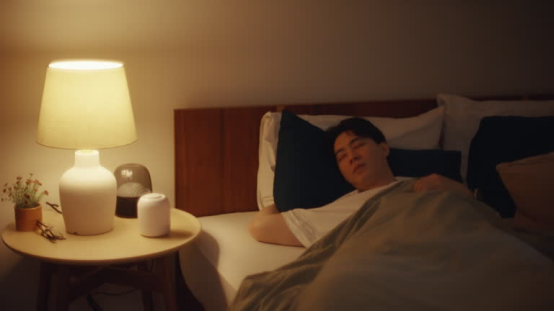

The intersection of mental health and sleep physiology represents one of the most intricate areas of modern medicine. For decades, researchers viewed sleep disturbances merely as symptoms of clinical depression. However, contemporary scientific interpretation has shifted toward a bidirectional model. In this framework, depression can trigger profound changes in sleep architecture, while chronic sleep deprivation serves as a potent risk factor for the onset and exacerbation of depressive disorders. Understanding this “chicken and egg” relationship is essential for anyone seeking to improve their mental health or sleep quality.
The Bidirectional Nature of Depression and Sleep Disorders
The relationship between depression and sleep is characterized by a feedback loop that can be difficult to break. When an individual suffers from depression, the brain’s ability to regulate the transition between wakefulness and sleep is often compromised. Conversely, when sleep is consistently interrupted, the brain’s emotional processing centers—specifically the amygdala and the prefrontal cortex—become dysregulated, making the individual more susceptible to low mood, irritability, and cognitive fog.
How Depression Disrupts Sleep Architecture
Clinical depression often leads to significant changes in the “architecture” of sleep, which refers to the cyclical pattern of sleep stages (NREM and REM). Patients with depression frequently experience a shorter REM latency, meaning they enter Rapid Eye Movement (REM) sleep much faster than healthy individuals. Furthermore, their REM sleep periods are often more intense and frequent throughout the night, which can lead to vivid, often distressing dreams and a lack of restorative deep sleep (Slow Wave Sleep).
The Impact of Sleep Deprivation on Mood Regulation
Sleep deprivation acts as a physiological stressor that depletes the brain’s cognitive reserves. Without adequate rest, the brain struggles to synthesize neurotransmitters that stabilize mood. Over time, this leads to a diminished capacity to handle daily stressors, fostering a sense of hopelessness and fatigue that mirrors or triggers depressive episodes. Studies show that people with insomnia are significantly more likely to develop depression compared to those who sleep well.

Biological Mechanisms: Neurotransmitters and Circadian Rhythms
The link between these two states is rooted in the body’s internal biological clocks and chemical signaling systems. The same neurotransmitters responsible for mood regulation are also the primary drivers of the sleep-wake cycle.
The Role of Serotonin, Norepinephrine, and Dopamine
Serotonin is perhaps the most well-known neurotransmitter involved in both depression and sleep. It is a precursor to melatonin, the hormone that signals to the body that it is time to sleep. When serotonin levels are imbalanced—a common feature of depression—the production of melatonin is often disrupted. Similarly, norepinephrine and dopamine play roles in alertness and arousal; imbalances in these chemicals can cause the “tired but wired” feeling often reported by those with mood disorders.
Circadian Rhythm Misalignment
The circadian rhythm is the body’s internal 24-hour clock that regulates physiological processes based on light and dark cycles. Depression often causes a “phase shift” in this rhythm. Some individuals experience a phase delay (staying up late and struggling to wake), while others experience a phase advance (waking up too early). This misalignment prevents the body from entering deep, restorative stages of sleep at the optimal time, further taxing the nervous system.

Common Manifestations: Insomnia vs. Hypersomnia
Depression does not affect everyone’s sleep in the same way. The manifestations typically fall into two primary categories, though some individuals may oscillate between both.
| Feature | Insomnia (Most Common) | Hypersomnia (Atypical) |
|---|---|---|
| Primary Symptom | Difficulty falling or staying asleep. | Excessive daytime sleepiness/over-sleeping. |
| Prevalence | Found in approximately 75% of depressed patients. | Found in approximately 15-20% of depressed patients. |
| Mental Impact | High anxiety, racing thoughts at night. | Extreme lethargy, “heavy” limbs, low energy. |
| Sleep Quality | Fragmented, light sleep. | Long duration but non-restorative. |
Understanding Insomnia in Depression
Insomnia in the context of depression often involves “early morning awakening,” where an individual wakes up hours before their intended time and cannot return to sleep. This is frequently the time when depressive ruminations—repetitive, negative thoughts—are at their most intense, creating a painful mental environment before the day has even begun.
The Challenges of Hypersomnia
Hypersomnia is often associated with “atypical depression.” While it might seem that more sleep is better, those with hypersomnia often wake up feeling unrefreshed regardless of how many hours they sleep. This can lead to a sedentary lifestyle, social isolation, and a worsening of depressive symptoms due to inactivity.

Does Depression Cause Sleep Talking? Exploring Parasomnias
One of the more subtle and often overlooked symptoms of the depression-sleep link is the occurrence of parasomnias, specifically somniloquy, or sleep talking. While sleep talking can occur in healthy individuals, its frequency and intensity often increase during periods of high emotional distress or clinical depression.
The Link Between Emotional Processing and Somniloquy
Sleep talking usually occurs during transitions between sleep stages or during REM sleep. Because depression often involves intense emotional processing and vivid dreaming, the brain may “leak” these internal dialogues into physical vocalizations. When the mind is burdened with unresolved trauma or daily stressors, the motor neurons that should be paralyzed during REM sleep may occasionally fire, leading to mumbles, words, or even full sentences.
Stress and Sleep Fragmentation
Depression increases the body’s levels of cortisol (the stress hormone), which leads to more frequent micro-arousals during the night. These brief moments of partial wakefulness provide the perfect window for sleep talking to occur. Furthermore, medications used to treat depression, such as certain SSRIs, can alter sleep cycles and have been known to increase the likelihood of sleep talking or other nighttime movements as a side effect.

Strategies for Breaking the Depression-Sleep Cycle
Treating sleep and depression simultaneously is often more effective than treating either in isolation. By addressing the physiological need for rest, patients often find they have more mental energy to engage in psychological therapy.
Cognitive Behavioral Therapy for Insomnia (CBT-I)
CBT-I is considered the gold standard for treating chronic sleep issues associated with mental health. Unlike general talk therapy, CBT-I focuses on:
- Stimulus Control: Re-associating the bed with sleep rather than wakefulness or anxiety.
- Sleep Restriction: Limiting time in bed to increase the “sleep drive” and improve sleep efficiency.
- Cognitive Restructuring: Identifying and challenging the catastrophic thoughts about “not being able to sleep.”
Improving Sleep Hygiene for Mental Health
While sleep hygiene alone may not cure clinical depression, it provides the necessary foundation for recovery. Key practices include:
- Light Exposure: Seeking natural sunlight immediately upon waking to reset the circadian rhythm.
- Digital Detox: Avoiding blue light from screens at least one hour before bed to allow natural melatonin production.
- Consistency: Maintaining the same wake-up time every day, even on weekends, to stabilize the internal clock.
Medical Interventions and Professional Guidance
In many cases, a combination of psychotherapy and medication is necessary. Some antidepressants have sedative properties that help with insomnia, while others are more activating and may be better for those with hypersomnia. It is crucial to work with a healthcare provider to find the right balance, as some medications can initially worsen sleep disturbances before they improve mood.
Frequently Asked Questions (FAQ)
- Q1: Can treating my sleep problems actually cure my depression?
- While treating sleep problems is a major component of recovery, depression is a multi-faceted condition. Improving sleep often reduces the severity of symptoms and makes other treatments, like therapy and medication, significantly more effective. For some, resolving sleep issues can lead to a dramatic improvement in mood.
- Q2: Why do I feel more depressed in the morning after a long night of sleep?
- This is common in “atypical depression” where hypersomnia occurs. Long periods of sleep can sometimes be non-restorative, and the act of oversleeping can disrupt your circadian rhythm, leading to a “sleep hangover” (sleep inertia) that mimics the lethargy of depression.
- Q3: Is sleep talking a sign that my depression is getting worse?
- Not necessarily. Sleep talking is often a sign of increased stress, sleep fragmentation, or emotional processing. If it is accompanied by other worsening symptoms like persistent sadness or loss of interest, it may indicate a need to adjust your treatment plan.
- Q4: How long does it take for sleep to improve once I start depression treatment?
- It varies by individual. Some people notice sleep improvements within the first week of starting medication or CBT-I, while for others, it may take 4 to 6 weeks for the brain’s neurochemistry and sleep architecture to stabilize.
- Q5: Are there specific foods that help with both sleep and depression?
- Diets rich in Omega-3 fatty acids (like salmon), magnesium (leafy greens), and tryptophan (turkey, eggs) can support the production of serotonin and melatonin. However, diet should be viewed as a supportive measure rather than a primary treatment for clinical conditions.
Parenting and child-care note: This article is for general education only. It is not medical diagnosis, pediatric care, mental-health therapy, sleep treatment, emergency guidance, or individualized developmental advice. For symptoms, injury, illness, vaccines, medication, psychological distress, developmental delay, or urgent safety concerns, consult qualified pediatric, mental-health, education, or emergency professionals.