
Introduction: Embracing Babywearing – Why a Carrier is Essential
For new parents, the journey of raising a child is filled with both immense joy and significant challenges. Among the many tools available to ease this journey, the baby carrier stands out as an indispensable item, offering a unique blend of convenience, comfort, and developmental benefits. Babywearing allows parents to keep their little ones close, fostering a strong bond while simultaneously keeping their hands free for daily tasks, errands, or simply enjoying a cup of coffee. This practice is not just about utility; it’s about nurturing a sense of security in the baby, promoting cognitive development through increased interaction, and easing the physical strain on caregivers.
However, the market is saturated with countless options, making the selection process daunting. From soft wraps to structured carriers, each type boasts different features, benefits, and suitability for various age groups and lifestyles. This ultimate guide is meticulously crafted to demystify the choices, providing a comprehensive framework for new parents to confidently select a baby carrier that aligns perfectly with their needs and, most importantly, ensures the utmost safety and comfort for their precious child. We will delve into critical aspects often overlooked, compare different styles, and highlight essential considerations to transform your babywearing experience from a chore into a cherished part of your parenting adventure.

Decoding Baby Carrier Types: Finding Your Match
Understanding the fundamental differences between various baby carrier types is the first crucial step in making an informed decision. Each design offers distinct advantages and caters to specific needs regarding a baby’s age, a parent’s comfort, and intended usage scenarios. A comprehensive overview of these categories will help you narrow down the options and identify what best suits your family’s dynamic.
Soft Structured Carriers (SSCs): The Versatile Workhorse
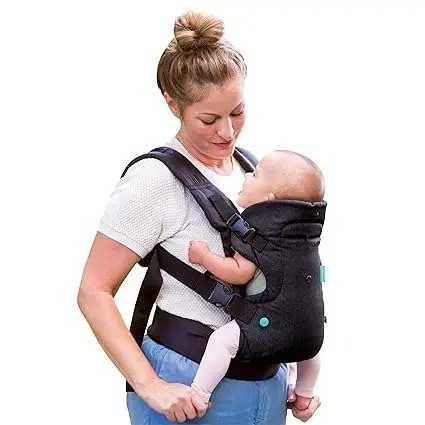
Soft Structured Carriers, often referred to as buckle carriers, are highly popular due to their ease of use and ergonomic design. They typically feature padded shoulder straps and a supportive waist belt, distributing the baby’s weight evenly across the parent’s hips and shoulders. This design makes them comfortable for extended wear and suitable for various carrying positions, including front, hip, and back carries. Many SSCs are adjustable to fit different body types and grow with the baby, often accommodating infants (with an insert) through toddlerhood. Their structure provides excellent support for the baby’s developing spine and hips, ensuring a natural “M” position for the legs.
Wraps: The Custom Fit and Ultimate Snuggle
Baby wraps are long pieces of fabric that are tied around the parent’s body and baby, creating a custom fit every time. They come in various materials, such as stretchy jersey knit or woven fabrics. Stretchy wraps are ideal for newborns and younger infants, offering a snug, womb-like experience and excellent head and neck support. Woven wraps, on the other hand, are more versatile and can be used from birth through toddlerhood for a wider range of carries, including complex back carries. While wraps have a steeper learning curve initially, they offer unparalleled closeness and can be incredibly comfortable once mastered, as the fabric molds perfectly to both parent and baby.
Slings: Quick Convenience and Elegant Simplicity
Slings generally refer to ring slings or pouch slings. A ring sling is a length of fabric with two rings sewn at one end, allowing the fabric to be threaded through the rings to create an adjustable pouch. They are known for their ease of use, quick on-and-off capability, and suitability for hip carries, making them perfect for short trips or when a baby wants to be up and down frequently. They are also excellent for nursing on the go. Pouch slings are simpler, pre-sewn fabric loops that are not adjustable, meaning a precise fit is crucial for safety and comfort. Both types offer a lightweight and compact option for babywearing, though ring slings provide more versatility in terms of fit and carrying positions.
Mei Tais: The Best of Both Worlds
Mei Tais (or meh dais) are traditional Asian-style carriers that blend elements of wraps and buckle carriers. They consist of a main body panel with four straps that tie around the parent’s waist and shoulders. This design offers the customizability and snugness of a wrap with some of the structure and support of an SSC. Mei Tais are often adjustable and can be used for front, back, and hip carries, making them a versatile choice for many families. They are generally considered easier to learn than wraps but offer more ergonomic flexibility than some basic slings.
Back Carriers: For Older Babies and Adventures
While many SSCs allow for back carrying, dedicated frame back carriers are specifically designed for older babies and toddlers, often for hiking or extended outdoor activities. These carriers typically have a rigid frame, a comfortable padded seat for the child, and a sturdy hip belt and shoulder straps for the parent, similar to a hiking backpack. They usually include storage compartments for essentials. These are generally not suitable for newborns and are best for children who can sit unassisted and have strong head and neck control.

Prioritizing Safety: The Non-Negotiable Aspects
When selecting a baby carrier, safety must always be the paramount concern. Overlooking critical safety features can lead to serious risks for your child. Understanding and adhering to established safety guidelines ensures that your babywearing experience is not only enjoyable but also secure and beneficial for your baby’s development.
Hip Health: The “M” Position and Dysplasia Prevention
A crucial aspect of baby carrier safety is ensuring proper hip positioning, often referred to as the “M” or “frog-leg” position. In this position, the baby’s knees should be higher than their bottom, and their thighs should be supported all the way to the knee joint, allowing the hips to spread naturally. This position promotes healthy hip development and significantly reduces the risk of hip dysplasia. The International Hip Dysplasia Institute (IHDI) provides clear guidelines and recognizes carriers that support this ergonomic posture as “hip-healthy.” Avoid carriers that force the baby’s legs to dangle straight down, as this can put undue stress on their developing hip joints.
Airway Protection: The TICKS Checklist
Ensuring your baby’s airway remains clear and open at all times is vital, especially for newborns and young infants who lack strong head and neck control. The TICKS acronym is an invaluable tool for remembering safe babywearing practices:
- T – Tight: The carrier should be tight enough to hug your baby close to you. Any slack will allow your baby to slump, potentially obstructing their airway.
- I – In View: You should always be able to see your baby’s face by simply glancing down. The fabric of the carrier should not obscure their nose or mouth.
- C – Close: Your baby should be close enough to kiss. Their head should be as close to your chin as comfortable.
- K – Keep Chin Off Chest: A baby’s chin should never be curled into their chest, as this can restrict their breathing. Ensure there is always a gap of at least two fingers under their chin.
- S – Supported Back: Your baby’s back should be supported in its natural position, and their tummy and chest should be against you. If they slump, reposition them immediately.
Age and Weight Limits: Strict Adherence is Key
Every baby carrier comes with specific age and weight guidelines. These are not arbitrary suggestions but are based on safety testing and developmental considerations. It is absolutely critical to adhere to these limits. Using a carrier for a baby too young or too light, especially one without adequate head and neck support, can lead to serious injury or suffocation. Conversely, exceeding the maximum weight limit can compromise the carrier’s structural integrity and pose a fall risk. Special caution is advised for newborns, particularly those under 4-6 months, as their developing musculature requires specific support to maintain an open airway and proper spinal alignment. Always consult the manufacturer’s manual for precise recommendations.
Durable Materials and Secure Fastenings
Examine the quality of the carrier’s materials and construction. Look for strong, durable fabrics that can withstand repeated use and washing. Pay close attention to all buckles, snaps, and straps to ensure they are robust and securely sewn. Double-stitching, reinforced seams, and high-quality hardware are indicators of a well-made, safe carrier. Avoid carriers with flimsy components or visible signs of wear and tear, as these could fail unexpectedly.

Ensuring Comfort: For Both Baby and Parent
Beyond safety, comfort is the next pillar of a successful babywearing experience. A carrier that is uncomfortable for either the baby or the parent will quickly be abandoned. True comfort stems from ergonomic design, thoughtful material choices, and adjustability that caters to diverse body types and developmental stages.
For Baby: Ergonomics That Nurture Development
A comfortable baby is a happy baby, and the design of the carrier plays a pivotal role in achieving this. The primary focus for baby’s comfort is proper ergonomic positioning that supports their natural development.
- Ergonomic Design for Hip Health: As discussed in the safety section, the “M” position is paramount. A good carrier will have a wide, supportive base that ensures the baby’s knees are higher than their bottom, allowing their hips to be spread and supported from knee to knee. This deep seat prevents dangling legs and promotes healthy hip joint formation.
- Head and Neck Support: Especially critical for newborns and infants who lack full head control, the carrier must provide ample support for the baby’s head and neck. Look for adjustable headrests or panels that can be raised or lowered to cradle the baby’s head comfortably, particularly when they are sleeping. For older babies, this support can offer a cozy place to rest during longer wears.
- Breathability and Temperature Regulation: Babies can overheat quickly, especially when snuggled close to a parent’s body. Consider the climate you live in and choose materials accordingly. Mesh panels, breathable cotton, linen, or bamboo fabrics are excellent choices for warmer weather, promoting airflow and preventing excessive sweating. For colder climates, a thicker, insulated material might be preferred, but layering is generally more effective than a heavy carrier.
- Adjustability for Growth: Babies grow at an astonishing rate. A truly useful carrier will feature adjustable panels, seats, and straps that can be customized to fit your baby from infancy through toddlerhood. This might include cinching mechanisms for narrow-seated newborns, expandable panels for wider toddlers, and adjustable height settings to ensure their head is always properly supported and their airway clear.
For Parent: Distributing Weight and Easing Wear
Parental comfort is equally important for sustained babywearing. An uncomfortable carrier can lead to back pain, shoulder strain, and overall fatigue, making you less likely to use it.
- Weight Distribution: The best carriers are designed to distribute the baby’s weight effectively, preventing it from concentrating on one area. Padded shoulder straps are essential, but a well-designed waist belt is arguably more critical. The waist belt should sit comfortably on your hips, transferring a significant portion of the baby’s weight from your shoulders to your stronger core and hips, mimicking the way a hiking backpack works.
- Ease of Adjustment: A carrier should be intuitive to put on and take off, and its straps and buckles should be easy to adjust, even when the baby is in it. This allows for quick fine-tuning to achieve the perfect fit for comfort and safety. Complex or cumbersome adjustment mechanisms can be frustrating, especially when you’re in a hurry or dealing with a fussy baby.
- Fit for Different Body Types: Parents come in all shapes and sizes, and a good carrier should accommodate this diversity. Look for carriers that offer a wide range of adjustability in their straps and waist belt to ensure a comfortable and secure fit for all caregivers, whether petite or plus-sized. Some brands offer extension straps or specific models designed for varying body types.
- Back and Shoulder Support: Beyond weight distribution, the overall design should actively support your back and shoulders. Look for carriers with ergonomic back panels and straps that don’t dig in or chafe. Trying on a carrier with a weighted doll (or your baby, if possible) can give you a realistic sense of how it feels over time.

Practical Considerations & Lifestyle Integration
Choosing a baby carrier isn’t just about safety and comfort; it’s also about how well it integrates into your daily life and specific activities. Your lifestyle, environment, and personal preferences should heavily influence your final decision.
Ease of Use: Simplicity for Busy Parents
The practical ease of putting on and taking off a carrier, especially when alone or in a hurry, is a significant factor. While wraps offer a custom fit, they often require more practice to master the tying techniques. Soft Structured Carriers (SSCs) with buckles tend to be quicker and more intuitive once adjusted. Ring slings offer a good balance of quick donning and adjustability for shorter carries. Consider whether you need a carrier that can be quickly deployed for a fussy baby or if you’re comfortable with a bit more setup time for a potentially more comfortable, custom fit.
Versatility: Adapting to Your Needs
Think about the different carrying positions you might use (front, hip, back) and the baby’s age range you intend to cover. Some carriers are highly versatile, offering multiple positions and adapting from newborn to toddlerhood with simple adjustments or inserts. Others are specialized, excelling in one specific area, such as a newborn-only wrap or a hiking back carrier. A versatile carrier can be a more cost-effective long-term solution, but a specialized one might offer superior performance for a particular need.
- Front Carry: Ideal for newborns and infants, fostering bonding and easy monitoring. Most carriers support this.
- Hip Carry: Great for older babies who enjoy looking around and for quick ups/downs. Common with ring slings and some SSCs.
- Back Carry: Best for older babies with strong head control, offering parents more freedom of movement for tasks. Many SSCs and woven wraps excel here.
Travel Friendliness: Carrier vs. Stroller
When traveling with a baby, the choice between a stroller and a carrier often arises. Baby carriers are typically far more travel-friendly than strollers. They are lighter, more compact, and allow you to navigate crowded airports, narrow aisles, or uneven terrain much more easily. For adventures like hiking or exploring cities, a carrier keeps your baby close and safe, offering a unique perspective. Consider a carrier that folds down compactly or is lightweight if travel is a frequent part of your life. While strollers have their place, especially for long days out or carrying gear, a carrier offers unparalleled freedom and closeness on the go.
Maintenance: Keeping it Clean and Durable
Babies are messy, and your carrier will inevitably need cleaning. Check the manufacturer’s care instructions. Are they machine washable? Do they require special care? Carriers made from durable, easy-to-clean fabrics like cotton or certain synthetic blends will be more practical for daily use. Also, consider the longevity of the carrier; a well-made carrier should withstand frequent washing without losing its integrity or comfort.
Seasonality: Materials for All Climates
The climate you live in should influence your material choice. For hot and humid environments, look for carriers made of breathable mesh, linen, or thin cotton. These materials help prevent overheating for both parent and baby. In colder climates, thicker woven wraps or soft structured carriers made of wool blends might be suitable, but layering clothing for the baby is generally more effective than relying on the carrier for warmth alone. Some carriers even come with weather-specific accessories like rain covers or sun shades.

Common Pitfalls to Avoid When Choosing a Baby Carrier
The excitement of choosing a baby carrier can sometimes lead to overlooking critical details. Being aware of common mistakes can save you from discomfort, disappointment, and potential safety hazards. By actively avoiding these pitfalls, you can ensure a more positive and effective babywearing experience.
Ignoring Safety Certifications and Guidelines
One of the most dangerous mistakes is to disregard safety standards. Always verify that the carrier meets recognized safety certifications in your region (e.g., ASTM International in the US, CEN in Europe). Furthermore, strictly follow the manufacturer’s age and weight limits, and internalize the TICKS safety rules. A carrier might look appealing, but if it doesn’t prioritize your baby’s hip health and airway, it’s not the right choice. Do not assume all carriers on the market are inherently safe; research is essential.
Prioritizing Aesthetics Over Ergonomics and Functionality
It’s natural to be drawn to beautiful patterns or stylish designs, but a baby carrier is a functional piece of equipment, not just an accessory. Prioritizing looks over ergonomic design for both parent and baby is a common pitfall. A carrier might be visually appealing, but if it doesn’t provide proper hip support for the baby or distribute weight comfortably for the parent, it will quickly become an unused item. Always put safety, comfort, and functionality first.
Buying a “One-Size-Fits-All” Without Trying
While many carriers market themselves as “one-size-fits-all” or “newborn to toddler,” the reality of fit can vary greatly between individuals. What works perfectly for one parent and baby might be uncomfortable or ill-fitting for another. Relying solely on reviews or product descriptions without trying the carrier, if possible, is a mistake. If you can’t try it in person, look for carriers with extensive adjustability and a good return policy. Consider how it fits both primary caregivers, as a carrier that only fits one person comfortably limits its utility.
Not Considering Your Lifestyle and Specific Needs
Another common error is choosing a carrier that doesn’t align with your actual lifestyle. If you live in a hot climate, a thick, non-breathable carrier will be impractical. If you need something for quick trips and frequent ups/downs, a complex wrap might be frustrating. If you plan extensive hikes, a simple sling won’t provide adequate support. Think about *when* and *how* you intend to use the carrier most often, and let that guide your selection. A carrier that doesn’t suit your routine will gather dust.
Skipping the Instruction Manual and Practice
Many parents are eager to start babywearing but neglect to thoroughly read the instruction manual. Each carrier has specific instructions for proper use, adjustments, and safety. Skipping this step can lead to incorrect positioning, discomfort, or even safety risks. Furthermore, practicing with a doll or in front of a mirror (especially for wraps or back carries) before placing your baby in the carrier can build confidence and ensure you’re using it correctly. Don’t underestimate the importance of understanding your specific carrier’s nuances.

Slings vs. Soft Structured Carriers: A Detailed Comparison
The choice between a sling (specifically, a ring sling) and a Soft Structured Carrier (SSC) is one of the most common dilemmas for new parents. Both offer distinct advantages and disadvantages, making them suitable for different situations and preferences. A direct comparison can help clarify which type might be the better fit for your specific needs.
While both categories excel in different areas, many parents find value in owning both a ring sling for quick, easy carries and an SSC for longer outings or when more support is needed. The “best” choice ultimately depends on your lifestyle, your baby’s age, and
Parenting and child-care note: This article is for general education only. It is not medical diagnosis, pediatric care, mental-health therapy, sleep treatment, emergency guidance, or individualized developmental advice. For symptoms, injury, illness, vaccines, medication, psychological distress, developmental delay, or urgent safety concerns, consult qualified pediatric, mental-health, education, or emergency professionals.