
The Essential Role of Baby Carriers in Modern Parenting
Baby carriers have evolved from simple wraps to sophisticated ergonomic designs, becoming an indispensable tool for parents seeking to maintain closeness with their infants while retaining freedom of movement. These devices are not merely accessories; they are crucial aids that foster bonding, support infant development, and alleviate the physical demands of childcare. Understanding the nuances of choosing, using, and ensuring the safety of a baby carrier is paramount for any new parent navigating the joys and challenges of raising a child. This guide aims to provide a comprehensive overview, drawing from expert advice and practical experience to empower parents with the knowledge they need for a secure and fulfilling baby-wearing journey.

Choosing the Right Baby Carrier: A Multifaceted Approach
Selecting a baby carrier is a significant decision, influenced by a variety of factors including the baby’s age and weight, the parent’s physical needs, and the intended usage scenarios. The market offers a diverse range of carriers, each with its unique advantages. Understanding these differences is the first step towards making an informed choice that prioritizes both the baby’s comfort and safety, and the parent’s well-being.
Ergonomic Soft Structured Carriers (SSCs)
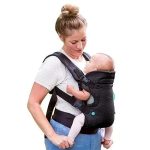
SSCs are perhaps the most popular type of carrier today, characterized by their structured design with padded waistbands and shoulder straps. They typically offer multiple carrying positions, including front-facing inward, front-facing outward, and back carrying. A key benefit of SSCs is their ability to promote hip-healthy M-position for the baby, ensuring proper development of the hip joints. They distribute weight effectively across the wearer’s hips and shoulders, making them comfortable for extended periods.
Wraps: Versatile and Intimate
Baby wraps, whether stretchy or woven, provide a highly customizable and intimate carrying experience. They consist of a long piece of fabric that is tied around the wearer and the baby, creating a secure pouch. Wraps offer a wide array of tying methods, allowing for various positions and a perfect fit for both parent and child. While they may require a learning curve to master tying techniques, they are excellent for newborns and offer unparalleled closeness.
Slings: Simplicity and Quickness
Ring slings are a simpler alternative to wraps, featuring a single piece of fabric with two rings that allow for easy adjustment. They are ideal for quick ups and downs, allowing parents to easily position their baby. Ring slings are typically worn over one shoulder and across the body, providing a secure seat for the baby. They are particularly useful for shorter carrying durations and for parents who prefer a minimalist approach.
Hybrid Carriers: The Best of Both Worlds
Some carriers combine features of different types, offering a blend of support and flexibility. These might include buckle carriers with wrap-like wings or structured carriers with more breathable fabrics. When evaluating carriers, consider the ease of use, adjustability, and how well it supports the baby’s natural posture.

Mastering Baby Carrier Usage: Techniques for Comfort and Safety
Proper usage of a baby carrier is as critical as selecting the right one. Incorrect techniques can lead not only to discomfort for the wearer but also pose safety risks to the baby. Adhering to established guidelines ensures a positive and secure carrying experience for both parent and child.
The One-Minute Solo Attachment: A Practical Skill
For many parents, the ability to put on a baby carrier by oneself is a game-changer. This often involves a sequence of steps that can be mastered with practice. Typically, it begins with securing the waistband, then adjusting the shoulder straps, and finally placing the baby into the carrier and securing them snugly. Many carriers are designed for this single-handed operation, allowing parents to manage their baby’s needs with greater independence.
Front Carry: The Intimate Bond
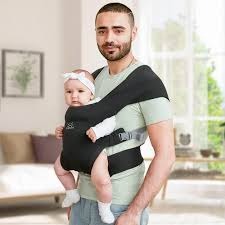
The front inward-facing position is often the first and most utilized by parents. This position allows for close physical contact, promoting bonding and allowing the parent to easily monitor the baby’s comfort and breathing. Ensure the baby’s hips are in the ‘M’ position, with knees higher than their bottom, and that their airway is clear. For older babies who are curious about the world, a front outward-facing position can be used, provided the carrier supports their legs and spine adequately and they can hold their head up independently.
Back Carry: Freedom and Exploration
As babies grow and become more mobile, the back carry position becomes increasingly popular. This position frees up the parent’s hands and allows the child to have a better view of their surroundings. It is crucial to ensure the baby is securely placed and that the carrier is properly adjusted to support their weight comfortably on the parent’s back. Learning to safely get a baby onto your back, especially when doing it alone, requires specific techniques and often a sturdy surface to assist.
Ensuring a Secure Fit
Regardless of the carrying position, a secure fit is paramount. The baby should be held snugly against the wearer’s body, with no excessive slack in the fabric or straps. The baby’s head should be supported, and their airway should always be unobstructed. Regular checks throughout the carrying period are recommended to ensure the baby remains in a safe and comfortable position.

Preventing Back Pain and Discomfort: Correct Carrier Use for Parents
The physical demands of carrying a baby can take a toll on a parent’s body, particularly the back. However, by using baby carriers correctly, parents can significantly reduce the risk of experiencing back pain and discomfort, and even alleviate existing issues.
Weight Distribution is Key
The most effective way to prevent back pain is to ensure the carrier distributes the baby’s weight evenly across the parent’s body. This means utilizing the hip belt to transfer the majority of the weight to the hips, rather than letting it all hang on the shoulders and back. Properly adjusted shoulder straps should provide stability but not bear the primary load.
Maintain Good Posture
Wearing a baby in a carrier can subtly alter posture. It is important for parents to maintain an upright posture, avoiding slouching. Engaging the core muscles can help support the spine. A well-fitting carrier will encourage a more natural and balanced posture.
Regular Breaks and Movement
Even with a properly fitted carrier, it is advisable to take regular breaks. Stepping out of the carrier for a few minutes to stretch and change position can help prevent muscle fatigue. Alternating between different carrying positions, if feasible, can also distribute the strain on the body.
Choosing the Right Carrier for Your Body
Consider your own body mechanics when choosing a carrier. If you have pre-existing back issues, opt for carriers that offer robust lumbar support and excellent weight distribution. Trying on different carriers before purchasing can help identify the most comfortable and supportive option for your specific needs.

Baby Carrier Safety: Avoiding Common Risks
Safety is paramount when using a baby carrier. Understanding and mitigating potential risks ensures a secure environment for your baby. Common concerns include suffocation, falls, and improper positioning.
The Risk of Suffocation
Newborns, especially premature or low-birth-weight babies, are at a higher risk of suffocation if their airway becomes obstructed. This can happen if their face is pressed against the wearer’s body or the carrier fabric, or if they are positioned in a way that restricts breathing. Always ensure the baby’s face and neck are visible and that there is ample space for them to breathe. The “TICKS” mnemonic is a helpful reminder:
- Tight: The carrier should be tight enough to hold the baby close, but not so tight that it restricts breathing.
- In view at all times: The baby’s face should always be visible to the wearer.
- Close enough to kiss: The baby should be positioned high enough on the wearer’s chest that they can be kissed easily.
- Keep chin off chest: Ensure the baby’s chin is not pressed against their chest, which can restrict breathing. A slight gap should be present.
- Supported back: The baby’s back should be supported in its natural curved position.
Preventing Falls
A secure and properly fitted carrier is essential to prevent falls. Double-check all buckles, snaps, and ties before and during use. Ensure the baby is comfortably and securely seated within the carrier, with no gaps where they could slip out. Be mindful of your surroundings and avoid situations where a fall could be particularly dangerous.
Avoiding Improper Positioning
As mentioned, hip-healthy positioning is crucial, especially for younger infants. Avoid carriers that force the baby into a straddled or dangling leg position (often referred to as the “jumper’s stance” or “hip-dysplasia position”). The ideal position for the baby’s hips is a natural spread, with their knees bent and higher than their bottom, forming an ‘M’ shape.
Carrier Maintenance
Regularly inspect your carrier for any signs of wear and tear, such as frayed seams, broken buckles, or worn fabric. A damaged carrier compromises safety and should be repaired or replaced immediately.

Year-Round Baby Carrying: Adapting to All Seasons
Baby carriers are versatile tools that can be used throughout the year, regardless of the weather. However, adapting your carrying practices to different seasons is essential for both parent and baby comfort and safety.
Summer Carrying
In warm weather, prioritize breathable fabrics for your carrier, such as cotton or linen blends. Look for carriers with mesh panels or lighter construction. Dress your baby in lightweight, breathable clothing. Ensure adequate sun protection with a wide-brimmed hat and consider a lightweight sunshade for the carrier. Stay hydrated and avoid carrying during the hottest parts of the day.
Winter Carrying
For colder months, layering is key. Dress yourself and your baby in warm, comfortable layers. You can often wear your baby under your own coat for added warmth and protection. Ensure the baby’s face is not covered by excessive clothing or the carrier, which can restrict breathing. Consider a dedicated baby-wearing coat or cover that extends over both you and the baby. Avoid over-bundling, as body heat can build up quickly.
Transitional Seasons (Spring and Autumn)
These seasons often require a more flexible approach. Layering is still important, as temperatures can fluctuate. You might start with a lighter jacket and add or remove layers as needed. Pay attention to wind and rain, and use appropriate outerwear or covers to keep you and your baby dry and comfortable.
Carrier Care in Different Climates
Regardless of the season, keep your carrier clean. Follow the manufacturer’s instructions for washing and drying to maintain its integrity and hygiene. Proper care ensures the carrier remains functional and safe for continued use.

The Evolving Landscape: Modern Baby Carriers vs. Traditional Methods
The advent of modern, ergonomically designed baby carriers has revolutionized how parents carry their children. Compared to older methods like simple blankets or wraps that required complex tying and offered less structured support, today’s carriers provide enhanced safety features, improved comfort for both wearer and baby, and greater ease of use. This evolution has made baby-wearing more accessible and appealing to a wider range of parents.
Benefits of Modern Ergonomic Carriers
Modern carriers are designed with the baby’s physiological needs in mind, promoting hip and spine development. They offer adjustable straps and waistbands to accommodate different body types and ensure a secure, comfortable fit. The structured support minimizes strain on the parent’s back and shoulders, making it feasible for longer carrying durations.
When to Re-evaluate Your Carrier Choice
As a baby grows, their weight and developmental stage may necessitate a change in carrier. A carrier that was perfect for a newborn might not be suitable for a crawling infant or a toddler. It’s important to reassess carrier needs as the baby progresses through different developmental milestones. Factors to consider include the baby’s weight limit, their ability to hold their head up independently, and their leg positioning requirements.

Frequently Asked Questions (FAQ)
- Q1: When is it safe to start using a baby carrier?
- It is generally safe to start using a baby carrier from birth, provided you choose a carrier specifically designed for newborns and follow all safety guidelines. For very premature or low-birth-weight infants, it’s advisable to consult with your pediatrician before using a carrier to ensure their airway remains unobstructed and they are positioned correctly.
- Q2: How can I tell if my baby is too hot or too cold in the carrier?
- Check the baby’s neck or chest; it should feel warm, not hot or cold. If the baby’s hands or feet are cold, they may need an extra layer. If they are sweating or their skin feels hot, they are likely too warm and need to be dressed down. Always ensure their face is visible and they have good airflow.
- Q3: My baby seems uncomfortable in the front-facing outward position. What should I do?
- The front-facing outward position should only be used when the baby has good head and neck control, can sit up independently, and is not overly stimulated. If your baby seems uncomfortable, fussy, or overstimulated, switch to the inward-facing position, which offers more security and comfort. Ensure the carrier still supports their legs in a frog-like position.
- Q4: How often should I check the fit and safety of my baby carrier?
- It is crucial to check the fit and safety of your baby carrier regularly, especially during the initial uses and whenever you adjust it. Before each use, ensure all buckles, snaps, and ties are secure. During use, periodically check that the baby is still in a safe and comfortable position, and that the carrier remains snug against your body.
- Q5: Can using a baby carrier cause hip dysplasia?
- Improperly designed or used baby carriers can potentially contribute to hip issues. However, modern ergonomic carriers that promote the “M” position for the baby’s hips (knees bent and higher than the bottom) are designed to be hip-healthy. Always ensure the carrier supports the baby’s legs and hips correctly, avoiding positions where the legs hang straight down.
Parenting and child-care note: This article is for general education only. It is not medical diagnosis, pediatric care, mental-health therapy, sleep treatment, emergency guidance, or individualized developmental advice. For symptoms, injury, illness, vaccines, medication, psychological distress, developmental delay, or urgent safety concerns, consult qualified pediatric, mental-health, education, or emergency professionals.