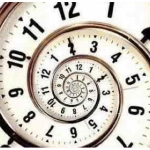

What is a False Awakening?
A false awakening is a vivid dream in which you believe you have woken up, yet you are still fast asleep. These experiences are often indistinguishable from reality, making them particularly jarring. Individuals frequently report performing their morning routine—brushing their teeth, making coffee, or checking their phone—only to realize later that they are still in bed.
The Neuroscience of Dream Loops
False awakenings typically occur during the REM (Rapid Eye Movement) stage of sleep. During this phase, the brain is highly active, often mimicking the electrical patterns of wakefulness. When the brain “boots up” partially but fails to transition fully into consciousness, it creates a simulation of your bedroom or current environment based on memory and expectation.

Common Triggers and Psychological Context
While false awakenings can happen to anyone, they are more prevalent in individuals who practice lucid dreaming or those experiencing high levels of stress and sleep deprivation. The brain’s attempt to reconcile the state of being “asleep” with the desire to be “awake” creates this cognitive dissonance.
Factors Contributing to the Phenomenon
- High levels of anxiety or life stress.
- Irregular sleep schedules causing fragmented REM cycles.
- The deliberate practice of reality checking during the day.
- Pre-sleep anticipation of waking up early.
| Feature | False Awakening | Actual Awakening |
|---|---|---|
| Perception | Hyper-realistic dream | Sensory input from reality |
| Environment | May have subtle “glitches” | Consistent and stable |
| Control | Often limited or dream-logic driven | Fully conscious |
Strategies to Identify and Exit False Awakenings
The most effective way to handle a false awakening is through “Reality Testing.” Because the brain struggles to maintain perfect consistency in a dream state, small details often fail.
Pro Tips for Reality Checking
1. Look at a clock or text: In dreams, digital text and time often change or become gibberish when looked at a second time.
2. Check your hands: Dream hands often appear blurred or have an incorrect number of fingers.
3. Attempt a physical movement: Try to jump or float; if you can exert gravity-defying movement, you are dreaming.
Frequently Asked Questions (FAQ)
- Are false awakenings a sign of a sleep disorder?
- Not necessarily. While they can be associated with parasomnias, they are usually a benign byproduct of REM sleep and high cognitive activity.
- Can I stop having false awakenings?
- Yes, by improving sleep hygiene, reducing stress, and maintaining a consistent sleep schedule to stabilize your REM cycles.
- Why do false awakenings feel so real?
- Because the sensory cortex in your brain is active during REM sleep, it processes the “dream” environment with the same intensity as physical reality.
- What should I do if I get stuck in a loop?
- Try to stay calm. Practice reality checks, and if you feel trapped, focus on relaxing your breathing to either wake yourself up fully or transition into a lucid dream.