
The Science of Darkness: Why a Dark Bedroom is Essential for Quality Sleep
The human body is intricately wired to respond to light and darkness through its internal clock, known as the circadian rhythm. This 24-hour cycle governs various physiological processes, including sleep-wake patterns, hormone release, and body temperature. Central to this system is the hormone melatonin, often referred to as the “sleep hormone.” Melatonin production is directly influenced by light exposure; specifically, darkness signals the pineal gland in the brain to increase melatonin synthesis, prompting feelings of drowsiness and preparing the body for sleep. Conversely, exposure to light, especially blue light emitted by electronic screens and certain artificial lighting, suppresses melatonin production, making it harder to fall asleep and disrupting the sleep cycle.
Circadian Rhythm and Melatonin Production: The Biological Imperative
Our ancestors lived in tune with natural light cycles, rising with the sun and resting after sunset. Modern life, however, has introduced pervasive artificial light, which can profoundly disorient our internal clocks. Even dim light at night can interfere with melatonin secretion, delaying its release and shifting our circadian rhythm. This disruption can lead to a host of sleep problems, including insomnia, reduced sleep quality, and difficulty waking up refreshed. A truly dark bedroom environment sends a clear signal to the brain that it’s time to rest, allowing melatonin to flow unimpeded and facilitating a smooth transition into deep, restorative sleep.
Health Consequences of Light Exposure During Sleep
The implications of insufficient darkness extend beyond mere sleep quality. Chronic light exposure during sleep has been linked to various adverse health outcomes. Research indicates that even low levels of ambient light at night can increase the risk of metabolic disorders, such as obesity and type 2 diabetes, by affecting glucose regulation and insulin sensitivity. Furthermore, disrupted sleep due to light pollution can impair cognitive function, reduce immune system effectiveness, and exacerbate mood disorders like depression and anxiety. For shift workers, whose schedules inherently conflict with natural light cycles, creating an artificially dark sleep environment is particularly vital to mitigate these risks and maintain health.
Identifying Sources of Light Pollution in Your Bedroom
Light pollution in the bedroom can originate from numerous sources, both external and internal. External culprits often include streetlights, car headlights, moonlight, and light spill from neighboring buildings. Internally, common sources are alarm clock displays, indicator lights on electronic devices (routers, charging cables, TVs), night lights, and even light filtering in from adjacent rooms. A thorough assessment of your bedroom environment at night, perhaps with all lights off, can help identify these subtle but impactful sources of unwanted illumination. Addressing these often-overlooked light leaks is a critical first step in creating an optimal sleep sanctuary.

Traditional Methods to Effectively Darken Your Bedroom
Before the advent of smart technologies, people relied on a variety of practical and often ingenious methods to block out light. These traditional approaches remain highly effective and accessible ways to create a dark sleep environment, catering to different budgets and aesthetic preferences. Implementing a combination of these strategies can dramatically reduce light ingress, contributing to better sleep hygiene.
Blackout Curtains and Blinds: A Comprehensive Guide
Blackout curtains are perhaps the most popular and effective traditional method. They are specifically designed with dense, opaque fabrics, often featuring multiple layers or a special backing, to completely block light. When selecting blackout curtains, consider:
- Material Density: Look for curtains labeled “100% blackout” to ensure maximum light blockage. Fabrics like microfibers, heavy cotton, or specialized thermal linings are common.
- Rod Type and Fit: For optimal performance, use a wrap-around or “blackout” curtain rod that extends past the window frame, allowing the curtains to butt against the wall and prevent light leakage from the sides. Ensure the curtains are wide enough to cover the entire window and long enough to reach the floor or windowsill, minimizing gaps.
- Color: While the exterior-facing side might be light to reflect heat, the interior-facing side is often dark to absorb light, though interior color has less impact than fabric density.
Blackout blinds and shades offer a sleek alternative. Options include:
- Roller Shades: Simple and effective, often with side channels for complete light seal.
- Cellular Shades: Honeycomb structure provides insulation and light blockage.
- Roman Shades: Offer a more decorative look while still providing blackout capabilities.
- Vertical Blinds: Best for sliding doors or large windows, ensure they overlap sufficiently.
For truly comprehensive darkness, consider layering blackout curtains over blackout blinds, creating a double barrier against light.
Sealing Light Gaps: Doors, Windows, and Cracks
Even with excellent blackout coverings, subtle light leaks can undermine efforts. Addressing these gaps is crucial:
- Window Frame Gaps: Use weatherstripping or caulk to seal any gaps between the window frame and the wall. For rental properties, removable caulking or thick tape can be a temporary solution.
- Door Sweeps and Draft Stoppers: Light can easily seep under bedroom doors. Install a door sweep at the bottom of the door to block this light. Draft stoppers, often fabric tubes filled with sand or foam, can also be placed against the door bottom.
- Door Cracks: For light coming through the sides or top of the door frame, use foam weatherstripping or door seal strips to create a tighter seal.
- Electrical Outlets and Switches: While minor, light from external sources can sometimes penetrate through unsealed electrical outlets or switch plates. Consider using child-safe outlet covers or light-blocking inserts.
DIY and Temporary Solutions for Immediate Darkness
For those needing immediate solutions or seeking budget-friendly options, several DIY and temporary methods can provide significant light reduction:
- Aluminum Foil: Taping aluminum foil directly to window panes is a highly effective, albeit aesthetically unappealing, temporary blackout solution. It blocks nearly 100% of light and can also help with temperature regulation.
- Cardboard or Foam Board: Cut pieces of cardboard or foam board to fit snugly within your window frames. These can be secured with painter’s tape or held in place by tension rods.
- Heavy Blankets or Towels: Drape heavy blankets, quilts, or towels over your existing curtains or directly over windows. Use safety pins or clips to secure them and prevent sagging.
- Removable Window Film: Static cling window films designed for privacy or light blocking can be applied directly to window glass and removed without residue. While not always 100% blackout, they significantly dim the room.
- Blackout Liners: If you already have curtains you love, you can attach separate blackout liners to their back. These are available in various sizes and can often be attached with hooks or clips.

Embracing Innovation: Smart Blackout Systems for Optimal Sleep Environments
As technology advances, so do the solutions for achieving optimal bedroom darkness. Smart blackout systems leverage automation and connectivity to offer unparalleled convenience, precision, and integration, transforming how we interact with our sleep environments. These systems move beyond manual adjustments, providing dynamic control over light levels to perfectly align with individual sleep needs and daily routines.
What Are Smart Blackout Systems?
Smart blackout systems refer to a range of technologically advanced solutions designed to automatically control the amount of light entering or existing a bedroom. Unlike traditional methods that require manual intervention, smart systems can be programmed, controlled remotely, or even react autonomously to environmental cues. They are often part of a broader smart home ecosystem, allowing for seamless integration with other devices like smart lighting, thermostats, and voice assistants.
The core principle behind these systems is to provide a consistent, optimized dark environment conducive to sleep, while also offering flexibility for waking hours. This can involve anything from motorized blinds that close at sunset to light-sensing devices that adjust room illumination based on ambient conditions.
Key Features and Technological Advantages
The appeal of smart blackout systems lies in their sophisticated features that enhance both functionality and user experience:
- Automation and Scheduling: Users can program blinds or lights to open and close at specific times, aligning with sunrise and sunset, or personal sleep and wake schedules. For example, blinds can be set to gradually open at dawn for a gentle wake-up, or fully close an hour before bedtime.
- Light Sensors and Adaptive Control: Many systems incorporate ambient light sensors that can detect external light levels. This allows the system to automatically adjust blinds or lighting to maintain a desired level of darkness, even as external conditions change.
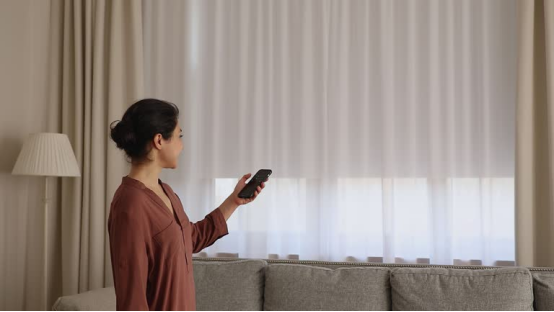
- Voice Control and App Integration: Integration with smart home hubs (like Amazon Alexa, Google Assistant, Apple HomeKit) allows for voice commands (“Alexa, close the bedroom blinds”). Dedicated mobile apps provide remote control, enabling users to adjust settings from anywhere, whether they’re in bed or away from home.
- Integration with Smart Home Ecosystems: Smart blackout systems can be linked with other smart devices to create comprehensive sleep routines. For instance, dimming the lights, lowering the thermostat, and closing the blinds can all be triggered simultaneously with a single command or schedule.
- Energy Efficiency: By precisely controlling light and, consequently, heat gain or loss through windows, smart systems can contribute to better energy management within the home, potentially reducing heating and cooling costs.
Types of Smart Blackout Solutions (Blinds, Bulbs, Integration)
The market offers diverse smart blackout solutions, each with unique advantages:
- Smart Blinds and Shades: These are motorized window coverings that can be controlled via remote, app, or voice. They come in various styles, including roller shades, cellular shades, and Venetian blinds, all equipped with blackout capabilities. Some advanced models can operate wirelessly, powered by rechargeable batteries or solar panels.
- Smart Bulbs and Lighting Systems: While not directly blocking external light, smart bulbs play a crucial role in managing internal light. They allow users to dim lights, change color temperature (e.g., warmer tones in the evening to avoid blue light), and schedule lighting changes. Paired with blackout blinds, they complete the light control ecosystem.
- Smart Switches and Plugs: For existing lamps or non-smart motorized blinds, smart switches or plugs can convert them into smart devices. This allows for scheduled power on/off or remote control, effectively integrating them into a smart blackout routine.
- Integrated Blackout Systems: Some manufacturers offer comprehensive systems that combine smart blinds, lighting, and even sound machines, all controllable from a single interface or voice command, creating a fully optimized sleep environment.

Implementing Smart Blackout Systems: Considerations and Setup
Integrating smart blackout technology into your home requires careful consideration to ensure the chosen system aligns with your needs, budget, and existing smart home infrastructure. From selecting the right products to optimizing their use, a thoughtful approach can maximize the benefits of these innovative solutions.
Choosing the Right System for Your Needs
The market for smart home devices is vast, and selecting the ideal smart blackout system involves evaluating several factors:
- Compatibility: Ensure the system is compatible with your existing smart home hub (e.g., Apple HomeKit, Google Home, Amazon Alexa, Samsung SmartThings) if you already have one. This ensures seamless integration and centralized control.
- Power Source: Smart blinds can be battery-operated (offering flexibility but requiring recharging), wired (providing consistent power but potentially complex installation), or solar-powered (eco-friendly and low maintenance).
- Installation Complexity: Some systems are designed for DIY installation, while others may require professional help, especially for wired solutions or large/custom windows.
- Features and Functionality: Consider whether you need advanced features like ambient light sensors, precise scheduling, voice control, or integration with other smart devices. Basic systems might offer just remote control, while premium options provide a full suite of automation.
- Aesthetics and Design: Smart blinds and shades come in various styles, colors, and materials. Choose options that complement your bedroom decor while still providing effective light blockage.
- Budget: Smart blackout systems range widely in price. Determine your budget and explore options that offer the best value for your desired features.
Installation and Integration with Smart Home Ecosystems
Once you’ve chosen a system, proper installation and integration are key to its performance:
- Professional vs. DIY Installation: For battery-powered smart blinds, DIY installation is often straightforward, involving mounting brackets and snapping the blinds into place. Wired systems or those requiring electrical work might benefit from professional installation to ensure safety and optimal functionality.
- Connecting to Your Smart Home Hub: Most smart blackout devices will connect to your home Wi-Fi network and then integrate with your chosen smart home hub via the manufacturer’s app. Follow the specific instructions for pairing devices, which usually involves a discovery mode or scanning a QR code.
- Setting Up Routines and Scenes: The true power of smart systems lies in automation. Use your smart home app to create routines (e.g., “Goodnight” routine that closes blinds, dims lights, and adjusts the thermostat) or scenes (preset configurations for specific moods or activities).
- Voice Control Configuration: If using a voice assistant, ensure the smart blackout devices are recognized and assigned to the correct room. This allows for natural language commands to control your environment.
Maximizing Benefits Through Automation and Customization
To truly optimize your sleep environment, leverage the full capabilities of your smart blackout system:
- Personalized Sleep Schedules: Set blinds to close automatically at a consistent time each evening to signal your body for sleep. Program them to open gradually in the morning, simulating a natural sunrise, which can lead to a more pleasant and less jarring wake-up.
- Adaptive Light Control: If your system includes light sensors, calibrate them to respond to changing external light conditions. This ensures consistent darkness regardless of weather or time of year.
- Integration with Other Sleep Aids: Combine your smart blackout system with other smart sleep devices, such as smart mattresses that track sleep patterns, smart humidifiers, or white noise machines, to create a holistic sleep sanctuary.
- Energy Optimization: Program blinds to close during peak sunlight hours in summer to reduce heat gain, or close them at night in winter to improve insulation, contributing to energy savings.
- Security Features: Some smart blinds can be programmed to open and close randomly when you’re away, giving the impression that someone is home, enhancing security.
Frequently Asked Questions (FAQ)
- Q1: Why is complete darkness so important for sleep?
- Complete darkness is crucial because it signals your brain to produce melatonin, the hormone responsible for regulating your sleep-wake cycle (circadian rhythm). Even dim light can suppress melatonin, making it harder to fall asleep, reducing sleep quality, and potentially leading to long-term health issues like metabolic disorders and cognitive impairment. A dark environment ensures your body’s natural sleep processes function optimally.
- Q2: Can I achieve complete darkness without installing expensive smart systems?
- Absolutely. Many traditional methods are highly effective and budget-friendly. Options include 100% blackout curtains or blinds that fit snugly, sealing light gaps around windows and doors with weatherstripping or door sweeps, and temporary solutions like aluminum foil or heavy blankets taped to windows. Combining several of these methods can create a remarkably dark room without significant investment.
- Q3: What are the main advantages of smart blackout systems over traditional methods?
- Smart blackout systems offer enhanced convenience, precision, and automation. They allow for scheduled opening and closing of blinds, remote control via apps, voice control integration with smart assistants, and even adaptive responses to ambient light levels. This hands-free operation and seamless integration into a smart home ecosystem provide a level of control and customization that traditional methods cannot match, optimizing your sleep environment effortlessly.
- Q4: Do smart blackout systems consume a lot of energy?
- Generally, smart blackout systems are designed to be energy-efficient. Motorized blinds, for instance, often run on low-power batteries that last for months or even years between charges, or are solar-powered. When integrated with a smart home, they can even contribute to overall energy savings by helping to regulate indoor temperature, reducing the need for excessive heating or air conditioning by blocking sunlight when necessary.
- Q5: How do I choose between different types of smart blackout solutions?
- Consider your existing smart home setup (e.g., Apple HomeKit, Google Home), your budget, and the level of automation you desire. Smart blinds are excellent for external light control, while smart bulbs manage internal light and color temperature. If you’re starting fresh, look for systems with broad compatibility. If you have existing blinds, smart switches or plugs might be a more cost-effective way to add automation. Prioritize features like scheduling, light sensing, and ease of installation based on your specific needs.
Parenting and child-care note: This article is for general education only. It is not medical diagnosis, pediatric care, mental-health therapy, sleep treatment, emergency guidance, or individualized developmental advice. For symptoms, injury, illness, vaccines, medication, psychological distress, developmental delay, or urgent safety concerns, consult qualified pediatric, mental-health, education, or emergency professionals.