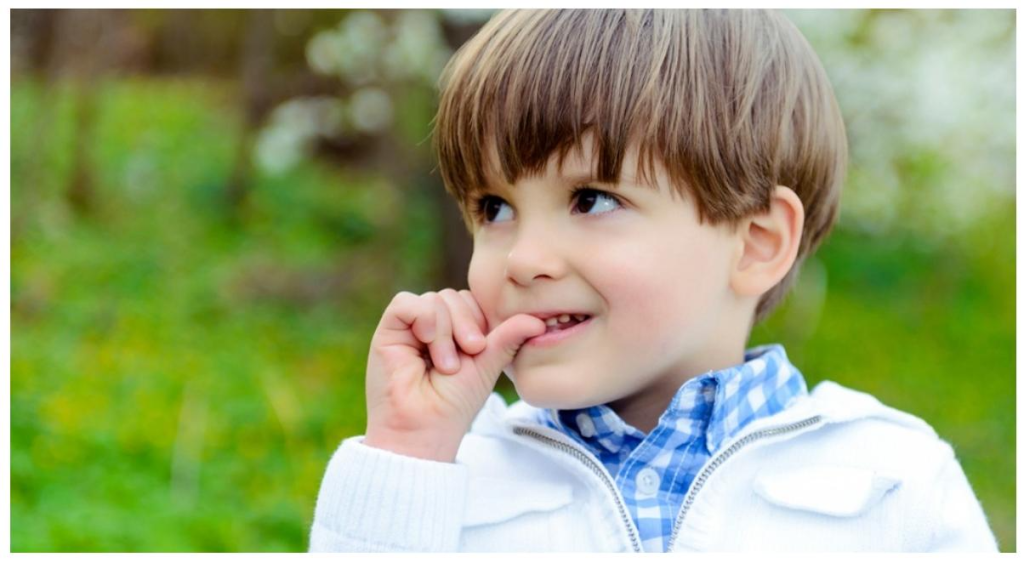

Understanding Nail Biting in Children: Causes and Impacts
Nail biting, or onychophagia, is a common habit among children, often emerging during early childhood and persisting into adolescence. While it might seem like a harmless quirk, it can be a significant indicator of underlying emotional states and can lead to various physical and psychological repercussions. Understanding the root causes is crucial for parents to approach this behavior with empathy and effective intervention strategies.
The Psychological Roots of Nail Biting
The habit of nail biting is rarely arbitrary; it typically stems from a complex interplay of psychological and emotional factors. Children often resort to nail biting as a coping mechanism, a way to self-soothe or react to internal and external stimuli. Identifying these specific triggers is the first step towards addressing the behavior proactively.
- Anxiety and Stress: This is arguably the most prevalent cause. Children, much like adults, experience stress from various sources such as school pressure, social dynamics, family changes, or even overstimulation. Nail biting can serve as an unconscious outlet for this pent-up tension, a repetitive action that provides a sense of control or distraction.
- Boredom: In moments of inactivity or understimulation, a child’s hands might wander to their mouth. Nail biting can fill a void, becoming an automatic response when their minds are not actively engaged, such as during long car rides, while watching TV, or waiting.
- Habit Formation: Once initiated, for whatever reason, nail biting can quickly solidify into a deeply ingrained habit. The initial trigger might fade, but the motor pattern becomes a default response, making it challenging to break even when the child consciously wants to stop.
- Imitation: Children are keen observers. If they see parents, siblings, or peers biting their nails, they might unconsciously adopt the behavior, viewing it as a normal or acceptable action. This modeling effect highlights the importance of parental awareness of their own habits.
- Seeking Attention: While less common, some children might bite their nails to garner attention, particularly if previous attempts to stop the behavior have been met with significant parental focus, even if negative.
Physical and Social Consequences
Beyond the immediate act, chronic nail biting can lead to a range of undesirable outcomes that affect a child’s health, appearance, and social interactions. These consequences underscore the importance of addressing the habit rather than dismissing it as a minor issue.
- Dental Issues: Persistent nail biting can put undue stress on teeth, potentially leading to chips, fractures, or misalignment. It can also interfere with proper jaw development and contribute to gum disease, as bacteria from under the nails are transferred to the mouth.
- Infections: The area under fingernails is a breeding ground for bacteria and fungi. Biting nails can introduce these pathogens into the mouth, leading to oral infections, and conversely, bacteria from the mouth can be transferred to the nail beds, causing paronychia (nail bed infections) or even warts.
- Damage to Nails and Skin: Chronic biting can cause the nails to become misshapen, brittle, or torn. The surrounding skin can become inflamed, sore, and develop hangnails, which can be painful and further susceptible to infection.
- Social Stigma and Self-Esteem: As children grow older, nail biting can become a source of embarrassment or social anxiety. Peers might comment on it, leading to feelings of shame, reduced self-confidence, and a reluctance to engage in activities that expose their hands.

Effective Strategies to Help Children Stop Nail Biting
Addressing nail biting requires patience, consistency, and a multi-faceted approach that considers the child’s age, personality, and the underlying causes. Scolding or shaming is often counterproductive, increasing anxiety and potentially exacerbating the habit. Instead, focus on supportive and constructive interventions.
Gentle Interventions and Trigger Identification
The first step in helping a child overcome nail biting is to observe and understand when and why it happens. This requires a detective’s eye and a compassionate heart, avoiding judgment and focusing on solutions.
- Identify Triggers: Pay close attention to the situations or emotions that precede nail biting. Is it during quiet times, when stressed, or when concentrating? Keeping a simple log for a few days can reveal patterns. For example, if it frequently occurs during homework, it might be linked to academic pressure.
- Gentle Reminders, Not Scolding: Instead of harsh criticism, try a subtle, non-verbal cue like a gentle touch on the arm or a pre-arranged secret signal. If you do speak, use calm, encouraging words: “Remember our plan to keep your nails healthy?” or “Is there something bothering you?”
- Positive Reinforcement: Focus heavily on praising efforts and successes. When your child refrains from biting, even for a short period, acknowledge it. “I noticed you kept your hands busy during the movie; that’s fantastic!” or “Your nails are looking so healthy!” Small rewards for progress (not perfection) can also be motivating.
- Stress Reduction Techniques: If anxiety is a trigger, teach your child simple relaxation techniques. This could include deep breathing exercises, mindfulness games, or engaging in physical activity to release tension. Creating a calm environment and ensuring adequate sleep can also significantly reduce stress levels.
Practical Tools and Support Mechanisms
Beyond emotional support, several practical tools and strategies can help redirect the habit and provide alternative outlets for nervous energy or boredom.
- Alternative Activities: Provide fidget toys, stress balls, or other objects that can keep their hands busy and engaged. Encourage creative activities like drawing, playing with clay, or building with blocks. For older children, learning to knit or play a musical instrument can be effective distractions.
- Nail Care Routine: Regular manicures, even simple ones at home, can make nails less appealing to bite. Keeping nails neatly trimmed and filed removes tempting edges and can instill a sense of pride in their appearance. For girls, a clear or lightly colored polish can also serve as a visual reminder.
- Bitter-Tasting Polishes: For older children who are motivated to stop, applying a non-toxic, bitter-tasting nail polish can act as a deterrent. The unpleasant taste serves as an immediate negative consequence, helping to break the automatic action. Discuss this option with your child first to ensure their buy-in.
- Open Communication: Create a safe space for your child to talk about their feelings without judgment. Understanding their emotional landscape can provide insights into why they bite their nails and help you address the underlying issues directly.
- Professional Help: If nail biting is severe, causes significant distress, leads to infections, or is accompanied by other anxiety-related behaviors, consider consulting a pediatrician or a child psychologist. They can offer tailored strategies, behavioral therapy, or help address co-occurring conditions.

Decoding Complaining in 6-8 Year Olds: Underlying Reasons
Complaining is a common form of communication for children, especially in the 6-8 year old age range, as they navigate increasing independence, social complexities, and developing emotional regulation. While it can be frustrating for parents, frequent complaining often signals an unmet need or an unexpressed emotion. Understanding these underlying reasons is key to responding effectively and teaching children more constructive ways to communicate.
Emotional and Developmental Factors
Children at this age are rapidly developing their emotional intelligence and their ability to articulate feelings. Complaining can be a clumsy, often default, way of expressing what they haven’t yet learned to verbalize effectively.
- Seeking Attention: In a busy household, children might learn that complaining, even negative attention, is a reliable way to get a parent’s focus. If positive interactions are limited or less frequent, a child may resort to whining or grumbling to feel seen and heard.
- Frustration and Overwhelm: When tasks are too challenging, expectations feel too high, or they simply cannot articulate their feelings, children often express this through complaints. This can stem from a lack of problem-solving skills or feeling helpless in a situation. For instance, a child complaining about homework might actually be struggling with the concept or feeling overwhelmed by the amount.
- Lack of Control/Power: Children often have limited control over their daily lives. Complaining can be a way to exert some influence, even if it’s just by protesting. It’s their attempt to push back against rules, routines, or decisions made by adults, seeking a sense of agency.
- Difficulty Expressing Needs: A child might complain about a sibling, a toy, or a situation because they lack the vocabulary or emotional maturity to express their deeper needs, such as feeling left out, lonely, or misunderstood. The complaint is a surface-level manifestation of a more complex internal state.
Environmental and Physiological Influences
Beyond internal emotional states, external factors and basic physiological needs can significantly contribute to a child’s tendency to complain. These are often easier to identify and address directly.
- Modeling Behavior: Children learn by observing. If they regularly hear adults or peers complaining, they may unconsciously adopt this as a normal way of responding to discomfort or dissatisfaction. The home environment plays a significant role in shaping communication styles.
- Fatigue or Hunger: Basic physiological needs have a profound impact on mood and behavior. A child who is tired, hungry, or unwell is far more likely to be irritable and prone to complaining, as their resources for emotional regulation are depleted.
- Perfectionism or High Standards: Some children, especially those with perfectionist tendencies, may complain when things don’t meet their often unrealistic expectations. They might be disappointed when a game doesn’t go their way, a drawing isn’t perfect, or a situation isn’t ideal, leading to vocal dissatisfaction.
- Sensory Overload: Loud noises, bright lights, crowded spaces, or uncomfortable clothing can be overwhelming for some children, especially those with sensory sensitivities. Complaining in these situations might be their way of expressing discomfort and seeking relief from an overstimulating environment.

Constructive Solutions for Managing Childhood Complaining
Effectively addressing complaining in 6-8 year olds requires a blend of active listening, teaching coping mechanisms, and setting clear boundaries. The goal is not to silence the child but to help them develop more productive and positive ways to communicate their needs and feelings.
Fostering Communication and Problem-Solving Skills
Empowering children with the tools to express themselves clearly and to find solutions to their own problems is a cornerstone of reducing habitual complaining. This involves active engagement and guidance from parents.
- Active Listening and Validation: When a child complains, take a moment to truly listen and acknowledge their feelings. “I hear you’re really frustrated with your drawing,” or “It sounds like you’re upset that you can’t play outside right now.” Validating their emotions doesn’t mean agreeing with the complaint, but it shows you understand and care.
- Guide Towards Solutions: After acknowledging their feelings, gently pivot to problem-solving. “What do you think we could do about that?” or “What’s one thing that might make this better?” This teaches them to move beyond just vocalizing discomfort to actively seeking improvements. Offer suggestions if they’re stuck: “Would you like me to help you find a different crayon, or do you want to take a break?”
- Teach Constructive Expression: Help your child develop a richer emotional vocabulary. Instead of “This is boring!” encourage them to say, “I feel bored, can we find something else to do?” or “I’m feeling frustrated because this game is hard.” Practice using “I” statements.
- The “Two Compliments and a Complaint” Rule: For older children, you might introduce a rule where they must say two positive things before or after making a complaint. This encourages a more balanced perspective and prevents endless negativity.
Setting Boundaries and Promoting Positive Behavior
While empathy is important, it’s equally crucial to establish boundaries around complaining to prevent it from becoming a default, attention-seeking behavior. Consistency is key here.
- Don’t Reward Complaining: If you consistently give in to demands made through whining or complaining, you inadvertently reinforce the behavior. Be firm and consistent: “I can’t understand you when you whine. Please use your regular voice.” Or, “We can talk about this when you’re ready to speak calmly.”
- Positive Reinforcement for Positive Communication: Actively praise and reward instances where your child expresses themselves calmly, solves a problem independently, or accepts a situation gracefully. “I really appreciate how you told me calmly what you needed,” or “You handled that disappointment so well!”
- Ensure Basic Needs are Met: Before addressing a complaint, quickly check if your child is hungry, tired, or needs a break. Often, a snack or a nap can dramatically reduce irritability and the propensity to complain.
- Model Positive Behavior: Children learn by example. Be mindful of your own complaining habits. Show your child how you handle frustration or disappointment constructively. “I’m a bit frustrated with this task, so I’m going to take a deep breath before I try again.”
- Quality Time and Connection: Ensure your child receives plenty of positive, undivided attention throughout the day. This reduces the need for them to seek attention through negative behaviors like complaining. Regular one-on-one time can significantly boost their sense of security and belonging.

Fostering Emotional Resilience and Positive Communication
Beyond addressing specific behaviors like nail biting and complaining, the ultimate goal for parents is to equip children with emotional resilience and effective communication skills. These foundational abilities will serve them throughout their lives, enabling them to navigate challenges, express themselves healthily, and build strong relationships.
Holistic Parenting for Behavioral Challenges
A holistic approach recognizes that a child’s behavior is often a reflection of their internal world and external environment. Therefore, interventions should be comprehensive, nurturing both emotional and practical skills.
- Patience and Consistency: Behavioral changes do not happen overnight. Parents must exercise immense patience and maintain consistent boundaries and expectations. A wavering approach can confuse children and prolong the habit.
- Empathy and Understanding: Always strive to see the world from your child’s perspective. What might seem like a trivial complaint or habit to an adult can be a significant source of stress or discomfort for a child. Empathy builds trust and encourages open communication.
- Teaching Emotional Regulation: Help children identify and name their emotions. Provide them with a “feelings vocabulary” and strategies for managing strong emotions, such as counting to ten, deep breathing, or talking to a trusted adult.
- Encouraging Problem-Solving: Instead of always providing solutions, empower your child to think critically and come up with their own. “What are some ways we could solve this?” or “If you were the boss, what would you do?” This builds confidence and independence.
- Creating a Secure Environment: A home where children feel safe, loved, and understood is a strong buffer against many behavioral issues. Ensure predictability in routines, clear expectations, and abundant opportunities for positive connection.

When to Seek Professional Support for Behavioral Challenges
While many common childhood behaviors can be managed with parental guidance and consistent strategies, there are instances where professional intervention becomes necessary. Recognizing these signs can ensure your child receives timely and appropriate support, preventing potential long-term issues.
Identifying Red Flags and Seeking Expert Help
It’s important for parents to be attuned to the severity, frequency, and impact of challenging behaviors. If a behavior significantly disrupts daily life, causes distress, or seems beyond the scope of typical developmental phases, seeking professional advice is a wise decision.
- Severity and Persistence: If nail biting leads to frequent infections, significant pain, or severe damage to nails and cuticles, or if complaining is constant, extremely negative, and permeates all interactions, it’s a sign to seek help.
- Impact on Well-being: When the behavior causes considerable distress for the child, affects their self-esteem, leads to social isolation, or interferes with their ability to function at school or at home, professional guidance is warranted.
- Co-occurring Issues: If nail biting or complaining is accompanied by other concerning behaviors such as extreme anxiety, depression, sleep disturbances, aggressive outbursts, or significant withdrawal, it could indicate a broader underlying issue that requires clinical assessment.
- Parental Exhaustion: If parents feel overwhelmed, exhausted, or consistently unable to manage the behavior despite consistent efforts, seeking support from a child psychologist, pediatrician, or family therapist can provide new strategies and much-needed relief.
- Lack of Progress: After consistently applying various strategies for a reasonable period (e.g., several weeks or months) without seeing any significant improvement, it suggests that external expertise might be beneficial to identify overlooked factors or implement more specialized interventions.
Frequently Asked Questions (FAQ)
- Q1: Is nail biting always a sign of anxiety in children?
- While anxiety is a very common trigger for nail biting, it’s not the only one. Children might also bite their nails out of boredom, habit, or even imitation. It’s important to observe the context in which the biting occurs to understand the underlying cause. If anxiety is suspected, look for other signs like restlessness, difficulty sleeping, or changes in appetite.
- Q2: How long does it usually take to stop a child from nail biting or complaining?
- There’s no fixed timeline, as it varies greatly depending on the child, the severity of the habit, and the consistency of interventions. Some children might show improvement within a few weeks,
Parenting and child-care note: This article is for general education only. It is not medical diagnosis, pediatric care, mental-health therapy, sleep treatment, emergency guidance, or individualized developmental advice. For symptoms, injury, illness, vaccines, medication, psychological distress, developmental delay, or urgent safety concerns, consult qualified pediatric, mental-health, education, or emergency professionals.