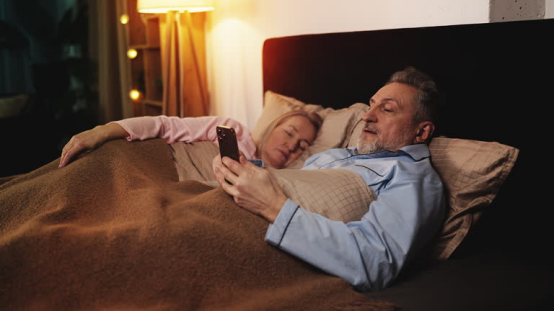

An old saying goes, “What you think about during the day, you dream about at night,” seemingly reminding us that our daytime experiences and emotions can manifest in our dreams in some form. Modern scientific research suggests that this is not without merit. Dreams are not only influenced by the subconscious but are also closely related to daytime emotions, cognitive load, and experiences. Understanding how daytime information is projected into dreams at night helps us understand the brain’s memory integration mechanisms, emotion regulation functions, and potential impacts on mental health.
How daytime experiences affect dream content
The phenomenon of daytime events appearing in dreams is called the “day residue effect.” These dreams usually incorporate details, people, or events from the day, but they don’t replicate reality verbatim; instead, they are reassembled and processed by the brain.
For example, if you experienced a stressful meeting during the day, your dreams might feature similar scenes or stressors, but usually in exaggerated or symbolic form. The reintegration of daytime experiences allows the brain to process information during sleep, potentially resolving unfinished tasks or emotional conflicts.
Studies show that this daytime remnant is particularly likely to occur during REM sleep because the brain’s emotional centers (such as the amygdala) are active at this time, while the logical thinking parts (such as the prefrontal cortex) are relatively inhibited, giving dreams the characteristics of free combination and strong symbolism.
The amplifying effect of emotions on dreams
Daytime emotional states have a significant impact on nighttime dreams. Positive emotional experiences are more likely to result in pleasant or relaxing scenes in dreams, while negative emotions tend to trigger nightmares or anxiety-inducing dreams. For example, chronic stress, anxiety, or sadness increases the probability of threatening, escapist, or failure-related scenarios in dreams.
This emotional projection is not a simple repetition, but a psychological self-regulation mechanism. Through dreams, the brain can “practice” coping with challenges, releasing emotions, or reorganizing its mind, thus better managing stress and emotional fluctuations in the waking state.
Memory integration and information filtering
Dreams are also an important part of the memory integration process. Information acquired during the day is filtered, integrated, and stored by the brain during sleep. Elements related to daytime experiences are often more easily included in dreams because this information is active in short-term memory or closely associated with significant emotional events.
At the same time, the brain suppresses irrelevant or unimportant information to reduce interference. The symbolic representations in dreams are the result of the brain reorganizing important information in a visual and narrative way. This mechanism explains why many people dream of their daytime experiences at night, often in strange or exaggerated ways.
Typical shooting pattern
Researchers have found that the projection of daytime experiences into dreams typically follows several patterns. The first is direct projection, where events or characters in the dream are highly similar to real-life scenarios. The second is symbolic projection, where daytime experiences appear through symbols, metaphors, or exaggerations; for example, a boss’s criticism might be presented in a dream as a chase or exam scene. The third is emotional projection, where daytime emotions are mapped onto the overall atmosphere of the dream, while specific details may be unrelated to reality.
Furthermore, recurring dreams or nightmares are often associated with unresolved emotional conflicts or stressors, which also illustrates the profound influence of daytime experiences and emotions on nighttime dreams.
Individual differences and influencing factors

Individuals project their daytime experiences into their dreams differently. People with strong memories, emotional sensitivity, or high creativity are more likely to replay and symbolically reorganize their daytime experiences in their dreams. Sleep quality, stress levels, sleep stages, and genetic factors also influence the content and clarity of dreams.
Furthermore, cultural background and life experience also play a moderating role in the understanding of symbolic dreams. For example, the same stressor may be symbolically represented as different types of dream plots in different cultural contexts.
Interaction between daily life and dreams
Understanding how daytime experiences are projected onto dreams can help improve psychological self-regulation. Maintaining a positive daytime mood and managing stress and workload effectively can reduce the incidence of nightmares and improve sleep quality. Furthermore, recording dreams and analyzing projection patterns of daytime events can enhance self-awareness and help identify potential emotional conflicts or unfinished tasks.
Some psychotherapies, such as dream analysis and cognitive behavioral therapy, also utilize the relationship between daytime experiences and dreams to help patients manage anxiety, trauma, or mood disorders. By exploring the connection between dreams and daily life, people can gain a clearer understanding of their own psychological state and adopt effective coping strategies.
Scientific research support
Multiple sleep studies support the scientific basis of the saying “what you think about during the day, you dream about at night.” Experiments show that after participants experienced specific events during the day (such as learning a new skill or watching an emotionally intense film), the probability of related elements appearing in their dreams increased significantly. EEG recordings during REM sleep indicate that the brain is more active when processing emotional memories, while areas related to cognitive judgment are partially inhibited, making dreams more symbolic and imaginative.
In addition, psychologists have found that the emotional characteristics projected in dreams are related to the intensity of daytime experiences. High-intensity emotional events are more likely to be reproduced or symbolized in dreams, which is closely related to the mechanisms of emotion regulation and memory consolidation.
Lessons from Practice
Understanding dream projection mechanisms can help optimize life and mental health. Reflecting on daytime experiences, tackling unfinished tasks, and releasing stress before bed can all help reduce negative dreams while enhancing positive dream experiences. For creative professionals, daytime experiences, emotional states, and visual imagery can also appear in novel combinations in dreams, providing inspiration for their creative work.
In addition, paying attention to the sleep environment and maintaining a regular sleep schedule to ensure sufficient REM sleep is an important prerequisite for guaranteeing dream clarity and emotional regulation. By scientifically arranging daytime activities and pre-sleep state, dreams can become an effective tool for psychological self-regulation and creativity stimulation.
Summarize
The saying “What you think about during the day, you dream about at night” has a scientific basis. Daytime experiences and emotions are incorporated into dreams in direct, symbolic, or emotional projection ways, reflecting the brain’s processes of memory integration, emotional regulation, and psychological restructuring during sleep. Understanding this connection between daytime experiences and nighttime dreams not only helps improve sleep quality and mental health but also provides an effective way to stimulate creativity and self-awareness. By scientifically arranging daily life and rationally regulating emotions, people can make dreams a window into the subtle interaction between the subconscious and real-life experiences, thereby better understanding themselves and their psychological world.
Parenting and child-care note: This article is for general education only. It is not medical diagnosis, pediatric care, mental-health therapy, sleep treatment, emergency guidance, or individualized developmental advice. For symptoms, injury, illness, vaccines, medication, psychological distress, developmental delay, or urgent safety concerns, consult qualified pediatric, mental-health, education, or emergency professionals.