
Choosing the Right Baby Carrier for Every Situation
For new parents, the decision of how to transport their infant is paramount. While strollers offer convenience for longer outings and storage, baby carriers, including slings and more structured “hardcore” carriers, provide a unique intimacy and mobility that many parents cherish. Understanding the nuances between these options is crucial for making an informed choice that supports both the baby’s development and the parent’s lifestyle. This section will explore the fundamental differences between various types of baby carriers and guide parents through selecting the most suitable one for their needs.
Understanding Different Types of Baby Carriers
Baby carriers come in a wide array of styles, each designed to offer specific benefits. The most common categories include baby slings, wrap slings, soft-structured carriers (SSCs), and hybrid designs. Each type caters to different age ranges, parental preferences for weight distribution, and desired levels of closeness with the baby.
- Baby Slings: Often characterized by a single piece of fabric that drapes over one shoulder, slings are versatile and can be used for newborns through toddlers. They allow for a variety of carrying positions, including front, hip, and back carries. The simplicity of a sling can be appealing, but it requires careful adjustment to ensure proper support and safety for the baby.
- Wrap Slings: These are long pieces of stretchy or woven fabric that are wrapped around the parent’s body and the baby. Wraps offer excellent adjustability and can provide a snug, secure fit for babies of all sizes. They distribute weight evenly across the parent’s back and shoulders, making them comfortable for extended wear, though they can have a learning curve for mastering the wrapping techniques.
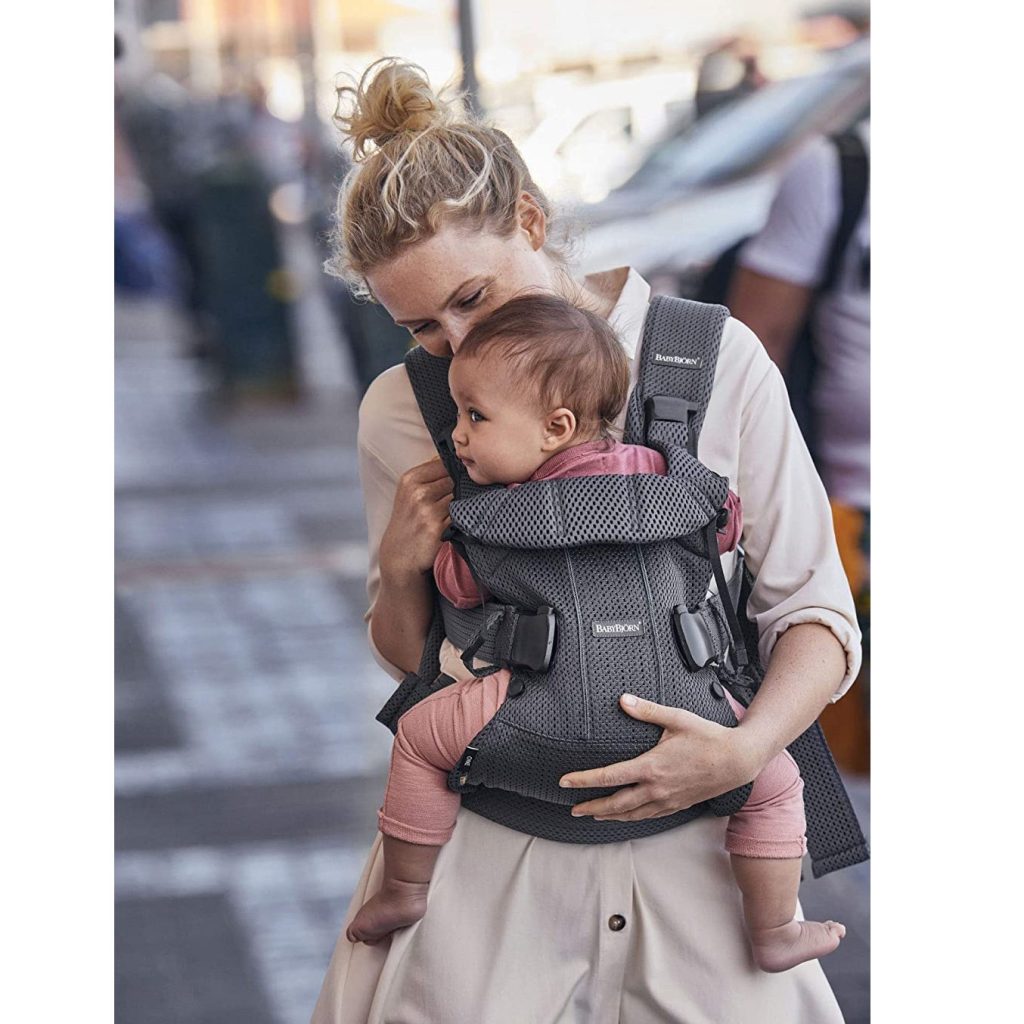
- Soft-Structured Carriers (SSCs): Also known as framed carriers or backpack carriers, SSCs have a more rigid structure with padded shoulder straps, a waist belt, and a structured seat for the baby. They are generally easier to put on and take off than wraps and offer excellent ergonomic support for both parent and child. SSCs are ideal for older babies and toddlers who can sit up independently.
- Hybrid Carriers: Some carriers blend features from different types, offering the flexibility of a wrap with the ease of an SSC, or incorporating elements of both to provide a customizable carrying experience.
Key Considerations When Selecting a Baby Carrier
The selection process should be guided by several critical factors. The baby’s age and weight are primary determinants, as different carriers are designed for specific developmental stages. For instance, newborns often benefit from the close, womb-like feel of a wrap or a specially designed newborn insert in an SSC, while older babies might need more structured support for upright positioning. The parent’s physical comfort and build also play a significant role. Carriers that distribute weight evenly and offer adjustable straps are essential for preventing strain and discomfort. Furthermore, the climate and intended use—whether for daily errands, hiking, or travel—will influence the choice of material and design. Breathable fabrics are crucial for warmer weather, while robust construction is necessary for more active pursuits.

Newborn Sling vs. Hardcore Sling: Making the Right Choice
For the earliest stages of a baby’s life, the choice between a newborn sling and a more robust “hardcore” sling (often referring to structured carriers or advanced wrap designs) becomes a central consideration for new parents. Both offer the benefit of keeping the baby close, but they differ significantly in their design, support, and ease of use. This section will dissect these differences, providing a clear comparison to help parents decide which is best suited for their newborn.
The Intimacy and Simplicity of Newborn Slings
Newborn slings, particularly soft wraps and ring slings, are often lauded for their ability to create an incredibly intimate and secure environment for a young infant. The soft, malleable fabric conforms closely to the baby’s body, mimicking the feeling of being held in the womb. This closeness can be incredibly soothing for newborns, aiding in regulating their temperature, heart rate, and sleep patterns. The simplicity of a basic sling design, while sometimes requiring practice, allows for a highly customizable fit, ensuring the baby is held in an ergonomic M-position, which is crucial for healthy hip development.
- Ergonomic Positioning: Slings, when used correctly, support the baby’s natural C-curve spine and promote a healthy hip abduction, preventing hip dysplasia.
- Versatility: Many slings can be adjusted for various carrying positions, allowing parents to switch between front-facing inward, cradle, and sometimes hip carries as the baby grows.
- Bonding: The direct skin-to-skin contact and closeness facilitated by slings are invaluable for strengthening the parent-child bond.
Understanding the “Hardcore” Sling: Structured Support for Growing Babies
The term “hardcore sling” can be a bit of a misnomer, as it generally refers to more structured baby carriers, including soft-structured carriers (SSCs) or advanced wrap designs that offer enhanced support for older babies and toddlers. While some of these can be adapted for newborns with specific inserts or configurations, their primary advantage lies in their ability to comfortably carry heavier babies for longer periods. These carriers often feature padded waist belts and shoulder straps that distribute weight more effectively across the parent’s hips and back, reducing strain. For parents who anticipate a lot of babywearing, especially for extended outings or when dealing with a heavier child, a structured carrier might be the more practical choice.
- Weight Distribution: Structured carriers are engineered to transfer a significant portion of the baby’s weight to the wearer’s hips, making them ideal for carrying older, heavier infants.
- Ease of Use: Many SSCs are designed for quick on-and-off, with buckles and adjustable straps that are straightforward to manage.
- Durability and Longevity: These carriers are typically built to last, supporting babies from infancy through toddlerhood, often up to 40-50 pounds.
Choosing Between Slings and Structured Carriers for Newborns
For a newborn, a soft sling or a wrap is often the preferred choice due to the intimate closeness and the ability to achieve a perfect, snug fit that supports their delicate bodies. However, some parents find structured carriers with newborn inserts to be a good compromise, offering ease of use from the start. The decision hinges on the parent’s comfort with wrapping techniques, their physical needs, and their lifestyle. If ease of use and long-term carrying comfort for heavier babies are priorities, a structured carrier might be considered even for a newborn, provided it offers appropriate support. Ultimately, the best choice is one that ensures the baby’s safety and comfort, and the parent’s well-being.

Baby Slings vs. Baby Carriers: A Detailed Comparison
The world of baby carrying solutions can be confusing, with terms like “slings” and “carriers” often used interchangeably, leading to potential misunderstandings for new parents. While both serve the fundamental purpose of keeping a baby close to the caregiver, they represent distinct categories of products with unique features, benefits, and ideal use cases. This section aims to provide a clear, in-depth comparison to help parents discern between baby slings and baby carriers, ensuring they select the most appropriate option for their family’s needs.
Defining Baby Slings
Baby slings are typically characterized by their flexibility and the use of fabric as the primary component. They often involve a single piece of material that is secured around the wearer, creating a pouch or pocket for the baby. Common types of slings include:
- Ring Slings: These consist of a long piece of fabric with two rings, allowing for easy adjustment by threading the fabric through the rings. They are versatile, offering various carrying positions and being relatively quick to put on once mastered.
- Stretchy Wraps: Made from a long strip of soft, stretchy fabric, these are tied around the wearer’s torso and shoulders to create a secure, snug cocoon for the baby. They are excellent for newborns and offer a high degree of comfort and bonding.
- Woven Wraps: Similar to stretchy wraps but made from a sturdier, non-stretchy fabric, woven wraps offer exceptional support and can be used for carrying babies of all ages and weights. They are highly versatile, allowing for a multitude of tying techniques and carrying positions.
The primary advantage of slings lies in their ability to provide a close, womb-like feel for the baby, promoting bonding and offering ergonomic support when used correctly. They are often lightweight and packable, making them convenient for on-the-go use.
Defining Baby Carriers
Baby carriers, in contrast, tend to be more structured. They typically feature a combination of padded shoulder straps, a waist belt, and a seat or pouch for the baby. The most common type of baby carrier is the Soft-Structured Carrier (SSC).
- Soft-Structured Carriers (SSCs): These carriers have a more defined structure, often resembling a mini-backpack. They usually include a padded waist belt that transfers weight to the wearer’s hips, and padded shoulder straps. SSCs are designed for ease of use, with buckles and adjustable straps that allow for quick fitting. They are excellent for distributing weight evenly and are well-suited for carrying heavier babies and toddlers for extended periods.
- Hybrid Carriers: Some carriers incorporate elements of both slings and structured carriers, offering features like wrap-like fabric panels with the support of a structured waistband and shoulder straps.
The key benefit of structured carriers is their ergonomic design, which can significantly reduce strain on the wearer’s back and shoulders, especially when carrying heavier children. They are often preferred for their ease of use and ability to provide robust support for longer outings.
Head-to-Head: Slings vs. Carriers for Different Needs
The choice between a sling and a carrier often depends on the specific needs of the parent and child:
- For Newborns: Slings, particularly stretchy wraps and ring slings, are often recommended for their ability to provide a snug, secure, and intimate fit that mimics the womb. They allow for close bonding and easy breastfeeding. However, some SSCs with dedicated newborn inserts can also be a good option for parents who prefer the structure and ease of use.
- For Older Babies and Toddlers: As babies grow heavier, structured carriers become increasingly advantageous due to their superior weight distribution. SSCs excel at comfortably carrying toddlers for longer periods, reducing fatigue on the wearer’s body.
- For Ease of Use: SSCs are generally considered easier to put on and take off than wraps or even some ring slings, making them a popular choice for parents who need a quick and simple solution.
- For Travel and Outings: Both can be effective. Slings are often more compact and lightweight, ideal for quick trips. Structured carriers offer more support for longer excursions and can be more comfortable for extended periods of wear.
- For Ergonomics: Both types, when used correctly, can be ergonomic. However, SSCs are specifically designed to distribute weight effectively to the hips, which can be a significant advantage for wearers experiencing back pain or carrying heavier children.
It is important to note that proper fit and usage are critical for both slings and carriers to ensure the safety and comfort of both parent and child. Consulting resources on safe babywearing practices is highly recommended.

Traveling with a Baby: Stroller or Carrier?
When embarking on travel with a baby, whether it’s a quick trip to the grocery store or an extended vacation, the choice between a stroller and a baby carrier is a significant one. Each option presents a unique set of advantages and disadvantages that can greatly impact the travel experience for both parents and child. This section will explore the practicalities of traveling with each, offering insights to help new parents make the most informed decision for their specific travel needs.
The Case for Strollers in Travel
Strollers are often the go-to for parents when it comes to longer outings and travel, primarily due to the convenience they offer. They provide a contained space for the baby to rest, sleep, and observe the world without being constantly held. This can be a welcome respite for parents, allowing them to manage other aspects of travel, such as carrying bags or navigating through airports.
- Storage and Convenience: Most strollers come with ample storage baskets for diaper bags, snacks, and other essentials. Many also have cup holders and trays for parent convenience.
- Comfort for Naps: A stroller can offer a more comfortable and consistent sleeping environment for a baby than being held, especially during long journeys or when transitioning between different environments.
- Protection from Elements: Strollers often feature canopies that provide shade from the sun and protection from light rain, shielding the baby from environmental factors.
- Ease of Navigation: While some airports and public transport can be challenging with a stroller, they are generally designed for smooth movement over various surfaces and can make navigating through crowds easier.
However, strollers can be bulky and cumbersome, especially during air travel where they may need to be checked or folded down significantly. Navigating uneven terrain, such as cobblestone streets or hiking trails, can also be difficult with certain types of strollers.
The Case for Baby Carriers in Travel
Baby carriers, on the other hand, offer a different set of benefits that can be invaluable for travel. Their compact nature and ability to keep the baby close provide a sense of security and allow for greater agility.
- Mobility and Agility: Carriers allow parents to navigate tight spaces, crowded areas, and uneven terrain with ease. They are perfect for exploring cities, hiking, or navigating through busy airports where a stroller might be cumbersome.
- Bonding and Security: The close proximity offered by a carrier can be very reassuring for babies, especially in new or overwhelming environments. It allows for easy access for feeding and comforting.
- Compactness: Carriers are generally much more portable than strollers. They can be easily folded and packed into a diaper bag or carried on your person, making them ideal for situations where space is limited.
- Hands-Free Convenience: While strollers offer storage, carriers allow parents to have their hands free for other tasks, such as managing tickets, taking photos, or holding onto other children.
The primary drawback of carriers during travel is that they can become tiring to wear for extended periods, especially with a heavier baby. They also offer less protection from the elements compared to a stroller, and the baby may have less freedom to move around independently.
Making the Best Choice for Your Travel Needs
The optimal choice between a stroller and a carrier often depends on the nature of the travel:
- Air Travel: For long flights, a carrier can be incredibly useful for navigating the airport and keeping the baby settled during boarding and deplaning. A lightweight, compact stroller that can be gate-checked or easily folded might be beneficial for use at the destination.
- City Exploration: Both can work well. A stroller is great for leisurely strolls and naps in parks, while a carrier is essential for navigating busy streets, public transport, and smaller shops. Many parents opt for a combination of both.
- Outdoor Adventures: For hiking or more rugged terrain, a dedicated hiking carrier or a robust stroller with large wheels might be necessary. For less demanding outdoor excursions, a carrier can offer superior mobility.
- Short Trips: For quick errands or visits to friends and family, a carrier is often more practical due to its portability and ease of use.
Ultimately, the “best” choice is a personal one, often involving a combination of solutions. Many parents find that having both a carrier and a stroller provides the greatest flexibility and allows them to adapt to various travel scenarios. Prioritizing the baby’s comfort and safety, along with the parent’s ease of use and physical well-being, should guide the final decision.
Frequently Asked Questions (FAQ)
- What is the main difference between a baby sling and a baby carrier?
- The primary distinction lies in their structure. Baby slings are typically made of fabric, like wraps or ring slings, and offer a close, womb-like fit. Baby carriers, often referred to as soft-structured carriers (SSCs), are more structured with padded straps and waist belts designed for better weight distribution, especially for older babies and toddlers.
- Which is better for a newborn: a sling or a structured carrier?
- For newborns, slings like stretchy wraps or ring slings are often recommended for their snug fit and ability to promote close bonding. However, many structured carriers are designed with newborn inserts that provide adequate support and ergonomic positioning, offering an easier on-and-off option for parents.
- When should I transition from a baby carrier to a stroller for travel?
- The transition often depends on the travel context. For long airport journeys or navigating crowded areas, a carrier is excellent for mobility and keeping the baby settled. A stroller might be preferred for longer periods of rest, managing luggage, or when the baby needs more space to move. Many parents utilize both, depending on the specific travel needs.
- Are baby carriers safe for hip development?
- Yes, when used correctly, both slings and structured carriers can be very safe for hip development. The key is to ensure the baby’s legs are in an ergonomic ‘M’ position, with hips spread and knees bent. Look for carriers that support this natural posture and consult safe babywearing guidelines.
- Can I use a baby carrier in hot weather?
- Yes, but it requires careful consideration. Opt for carriers made from breathable, lightweight fabrics like linen or cotton mesh. Ensure good airflow and frequently check your baby for signs of overheating. Staying hydrated and choosing shaded areas are also crucial. Some carriers are specifically designed for hot weather to improve ventilation.
Parenting and child-care note: This article is for general education only. It is not medical diagnosis, pediatric care, mental-health therapy, sleep treatment, emergency guidance, or individualized developmental advice. For symptoms, injury, illness, vaccines, medication, psychological distress, developmental delay, or urgent safety concerns, consult qualified pediatric, mental-health, education, or emergency professionals.