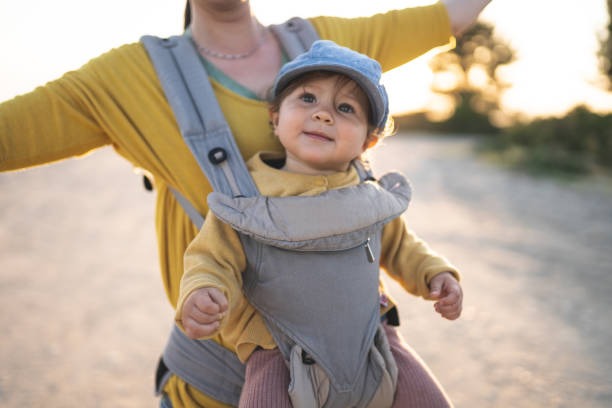

Choosing the Right Baby Carrier for All Seasons
Selecting the appropriate baby carrier is paramount for ensuring comfort and safety for both parent and child, especially when navigating different weather conditions throughout the year. The material of the carrier plays a significant role in temperature regulation. For warmer months, prioritize carriers made from breathable, lightweight fabrics such as organic cotton, linen, or mesh. These materials allow for better air circulation, helping to dissipate heat and prevent overheating. Conversely, during colder seasons, opt for carriers with thicker, insulated materials or those that can be easily layered over warm clothing. The design of the carrier also impacts its suitability for various climates. Structured carriers may offer more support but can be warmer, while soft wraps or slings might provide better flexibility for adjusting to temperature changes. Consider adjustable features that allow for easy modifications, such as removable hoods or ventilation panels, which can be beneficial in managing temperature fluctuations. Ultimately, the best carrier for year-round use is one that is versatile, comfortable, and adaptable to the specific needs of the parent and baby in any given season.

Adapting Your Baby Carrier for Summer Comfort
Summer babywearing requires a strategic approach to combat the heat and ensure your baby remains cool and comfortable. The primary concern is preventing overheating, which can be detrimental to an infant’s delicate system. The choice of carrier fabric is critical; look for carriers made from highly breathable materials like lightweight cotton, linen blends, or those featuring extensive mesh panels. These allow for optimal airflow, helping to wick away moisture and keep both parent and baby from feeling sticky and overheated. Beyond the fabric, consider carrier styles that minimize fabric layers between you and your baby. Wraps and slings, while requiring proper technique, can often be adjusted to use less fabric. Some structured carriers are specifically designed with summer in mind, featuring zip-off panels or full mesh backs. Layering is also key – dress your baby in light, moisture-wicking clothing. For the parent, wearing breathable, loose-fitting clothing can make a significant difference. When babywearing in direct sunlight, always ensure your baby’s head and extremities are protected with a wide-brimmed hat and lightweight sun cover for the carrier, but be mindful that this can also trap heat. Frequent breaks in the shade and offering hydration are essential during warmer outings.

Winter Babywearing Strategies and Warmth Maintenance
Winter babywearing presents its own set of challenges, primarily focused on keeping your baby warm and protected from the elements without causing them to overheat indoors or become too bundled. The goal is to maintain a consistent, comfortable temperature, mimicking the warmth of being held close while also guarding against cold and wind. Layering is the most effective strategy for winter babywearing. Dress your baby in layers of natural, breathable fibers like merino wool or cotton, which help regulate body temperature and wick away moisture. Avoid synthetic materials that can trap heat and lead to discomfort. For the parent, wear layers that can be easily added or removed. A common approach is to wear your regular winter coat unzipped, with the baby carrier worn underneath, and then use a separate babywearing coat or cover over both of you. This provides a cozy, protected environment. Alternatively, a large, warm scarf or shawl can be draped over the parent and baby. Ensure your baby’s extremities – head, hands, and feet – are well-covered with warm hats, mittens, and booties. When transitioning indoors, it’s crucial to shed outer layers promptly to prevent overheating. Monitor your baby’s temperature by feeling their neck or back; hands and feet can often feel cooler than their core. A good rule of thumb is to dress your baby in one more layer than you are wearing.

Managing Temperature for Baby and Parent
Maintaining a comfortable temperature for both the baby and the wearer is a continuous effort throughout the year, requiring attention to detail and adaptation based on the prevailing weather. During hot weather, the focus is on maximizing airflow and minimizing heat retention. This involves selecting breathable fabrics for the carrier and clothing, ensuring proper ventilation through mesh panels or lightweight designs, and dressing both individuals in light, moisture-wicking attire. For the parent, staying hydrated is also crucial. In colder weather, the emphasis shifts to insulation and protection from the elements. Layering is paramount, allowing for adjustments as body heat builds or when moving between indoor and outdoor environments. A well-fitting baby carrier can contribute to warmth by facilitating skin-to-skin contact or close body heat sharing. However, it’s vital to avoid over-bundling, which can lead to overheating and sweating, compromising insulation. Regular checks of the baby’s temperature, particularly their core, are essential. The parent’s comfort is also integral; if the wearer is too cold or too hot, it will inevitably affect the baby. Therefore, choosing a carrier that works well with your wardrobe and the climate, and being prepared to make adjustments, are key to successful year-round babywearing.

Tips for Staying Cool While Babywearing in Hot Weather
When the temperatures soar, babywearing can still be an enjoyable experience with the right strategies to keep both you and your little one cool and comfortable. The core principle is to maximize ventilation and minimize the heat trapped between you and your baby. Firstly, the choice of carrier is paramount. Opt for carriers made from natural, breathable fabrics like lightweight cotton, linen, or bamboo blends. Many modern carriers also feature extensive mesh panels, often referred to as “ventilated” or “all-mesh” carriers, which are excellent for hot climates as they allow air to circulate freely. If you are using a carrier that isn’t specifically designed for heat, consider how you can adapt it. For instance, with a wrap, you can use a single-layer carry to reduce the amount of fabric against your bodies. For structured carriers, ensure there are no unnecessary layers or padding that could trap heat. Clothing for both parent and baby should be light, loose-fitting, and made from breathable materials. Moisture-wicking fabrics are ideal. For the baby, a simple onesie or light romper may suffice. For the parent, light cotton or linen clothing is recommended. Hydration is also key; ensure you are drinking plenty of water. During outings, seek shaded areas whenever possible and take frequent breaks to allow for air to circulate. If your baby seems uncomfortable or overly warm, remove them from the carrier and allow them to cool down. Using a thin, breathable muslin cloth to wipe down both your backs and your baby’s can also provide immediate relief. Lastly, consider the time of day for your babywearing adventures; early mornings and late evenings are generally cooler and more pleasant.
Dealing with Humidity and Direct Sunlight
Hot and humid weather, coupled with direct sunlight, poses a significant challenge for babywearing. Humidity prevents sweat from evaporating efficiently, making it harder for the body to cool down. Direct sunlight adds an extra layer of heat and the risk of sunburn. To combat humidity, focus on breathability even more intensely. Carriers with advanced ventilation systems, such as those with large mesh inserts or completely mesh constructions, are highly beneficial. Ensure the baby’s clothing is also designed to wick moisture away. When in direct sunlight, protecting your baby’s skin is crucial. A lightweight, breathable sun hat with a wide brim is essential. Many baby carriers come with a detachable hood that can provide shade for the baby’s head and neck. If your carrier doesn’t have one, a large muslin swaddle can be draped loosely over the carrier to create a shaded area, but be cautious not to create a stifling microclimate. Ensure the fabric is not too thick and allows for airflow. Regularly check your baby for signs of overheating, such as flushed cheeks, rapid breathing, or lethargy. If you notice these, seek a cool, shaded spot immediately and consider removing the baby from the carrier to allow for better cooling. Applying sunscreen to exposed areas of the baby’s skin (if they are over six months old and advised by a pediatrician) is also a consideration, but physical barriers like shade and protective clothing are generally preferred for younger infants.
Frequently Asked Questions (FAQ)
- What are the best fabrics for a baby carrier in hot weather?
- For hot weather, prioritize carriers made from natural, breathable, and lightweight fabrics such as organic cotton, linen, bamboo, or those with extensive mesh panels. These materials allow for optimal airflow, helping to wick away moisture and keep both parent and baby cool.
- How should I dress my baby for babywearing in the winter?
- In winter, the key is layering. Dress your baby in layers of natural, breathable fibers like merino wool or cotton. Avoid over-bundling. A common strategy is to dress the baby in one more layer than you are wearing. Ensure extremities like hands, feet, and head are well-covered with appropriate winter gear.
- Can I wear my regular coat while babywearing in winter?
- Yes, many parents wear their regular winter coat unzipped over the baby carrier. For added warmth and protection from the elements, a dedicated babywearing coat or a large shawl/scarf draped over both parent and baby is also highly effective.
- How can I prevent overheating when babywearing in summer?
- To prevent overheating, choose a breathable carrier, dress lightly, ensure good airflow around the baby, seek shade, take breaks, and stay hydrated. If using a wrap, consider a single-layer carry. For structured carriers, look for mesh panels or designs that maximize ventilation.
- How often should I check my baby’s temperature while babywearing in extreme weather?
- It’s advisable to check your baby’s temperature frequently, especially in extreme weather. Feel their neck or back; hands and feet can often feel cooler than their core. Look for signs of overheating (flushed skin, rapid breathing) or being too cold (lethargy, unusually cool skin).
Parenting and child-care note: This article is for general education only. It is not medical diagnosis, pediatric care, mental-health therapy, sleep treatment, emergency guidance, or individualized developmental advice. For symptoms, injury, illness, vaccines, medication, psychological distress, developmental delay, or urgent safety concerns, consult qualified pediatric, mental-health, education, or emergency professionals.

Post navigation
Previous Post
 The Ultimate Guide to Cleaning Your Baby Carrier (2024)