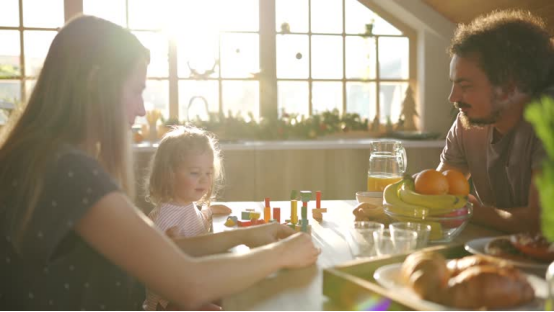

The Foundational Role of Play in Child Development
Play is not merely a pastime for children; it is a fundamental mechanism through which they explore the world, develop essential skills, and construct their understanding of reality. From birth through adolescence, engaging in diverse forms of play contributes significantly to cognitive, physical, social, and emotional growth. Understanding play’s multifaceted benefits empowers parents and educators to create enriching environments that maximize developmental outcomes. This section delves into the core principles of why play is indispensable, moving beyond superficial enjoyment to reveal its profound educational and formative power.
Cognitive Development Through Exploratory Play
Through play, children naturally engage in problem-solving, critical thinking, and imaginative exploration. Whether it’s figuring out how to stack blocks without toppling them or inventing elaborate scenarios with action figures, they are constantly testing hypotheses and refining their understanding of cause and effect. This process directly strengthens neural pathways and enhances executive functions such as planning, memory, and attention span. For instance, a child engaged in building a complex fort is not just playing; they are applying spatial reasoning, material science (even if intuitively), and project management skills.
- Problem-Solving: Children encounter challenges in play (e.g., how to make a toy car go faster) and devise solutions, fostering logical thinking.
- Imagination & Creativity: Pretend play, storytelling, and artistic endeavors expand mental horizons and encourage innovative thought processes.
- Language Acquisition: Role-playing and social interactions during play provide rich contexts for vocabulary expansion and communication practice.
- Memory & Concentration: Sustained engagement in play activities, especially those with rules or narrative arcs, improves focus and recall abilities.
Physical Development: Gross and Fine Motor Skills
Active play is crucial for developing both gross and fine motor skills. Running, jumping, climbing, and balancing enhance coordination, strength, and spatial awareness. Activities like drawing, cutting, building, and manipulating small objects refine fine motor control, hand-eye coordination, and dexterity—skills vital for writing, self-care, and many other daily tasks. The diversity of physical challenges presented through play ensures a comprehensive bodily development, preventing sedentary habits and promoting a healthy lifestyle from an early age.
- Gross Motor Skills: Activities like chasing, swinging, and riding bikes build large muscle strength, balance, and agility.
- Fine Motor Skills: Manipulating puzzles, threading beads, or drawing develops the precise movements needed for intricate tasks.
- Sensory Integration: Experiencing different textures, sounds, and movements during play helps children process sensory information effectively.
Social-Emotional Learning: Empathy, Cooperation, and Resilience
Play is a primary arena for social-emotional development. When children play together, they learn to share, negotiate, cooperate, and resolve conflicts. They practice empathy by taking on different roles and understanding others’ perspectives. Experiencing both success and failure in play builds resilience, self-esteem, and emotional regulation. These interactions are crucial for developing social competence, forming friendships, and navigating complex social dynamics later in life. The unstructured nature of play often provides the most authentic learning ground for these vital life skills.
- Cooperation & Sharing: Group games and collaborative projects teach the value of teamwork and compromise.
- Empathy & Perspective-Taking: Role-playing allows children to step into others’ shoes, fostering understanding and compassion.
- Emotional Regulation: Learning to manage frustration, excitement, and disappointment during play helps children develop emotional control.

Tailoring Activities to Children’s Developmental Stages
Effective play guidance recognizes that children’s abilities, interests, and developmental needs evolve rapidly. What engages a preschooler might bore an older child, and vice-versa. Designing activities that are developmentally appropriate ensures optimal engagement, challenges, and learning outcomes. This involves understanding the typical milestones at different ages and selecting or adapting activities that align with those capabilities, providing both support and opportunities for growth. A “one-size-fits-all” approach to play often misses critical windows for skill development and can lead to frustration or disinterest, highlighting the importance of tailored strategies.
Activities for Preschoolers (Ages 3-5)
Preschoolers are characterized by burgeoning imagination, developing language skills, and increasing independence. Activities for this age group should focus on sensory exploration, basic problem-solving, and foundational social skills. The goal is to stimulate curiosity and provide a safe space for experimentation without overwhelming them with complex rules or abstract concepts. Parents play a crucial role in facilitating these experiences, offering gentle guidance and encouragement.
- Sensory Bins & Playdough: Encourage tactile exploration, fine motor development, and creative expression.
- Simple Board Games: Introduce turn-taking, color recognition, and basic counting (e.g., Candy Land, Chutes and Ladders).
- Pretend Play & Dress-Up: Foster imagination, language skills, and understanding of social roles.
- Outdoor Exploration: Simple nature walks, sandbox play, and playground visits promote gross motor skills and appreciation for the environment.
Engaging 6-Year-Olds: Bridging Play and Formal Learning
At six years old, children are often transitioning into formal schooling, and their play reflects a growing capacity for structured activities, rule-following, and more complex social interactions. They are curious about how things work and enjoy learning new facts. Activities should blend imaginative play with opportunities for skill-building in areas like early literacy, numeracy, and scientific observation. This is a critical period where foundational knowledge can be solidified through engaging, hands-on experiences.
- Educational Board Games: Games involving simple math, reading, or strategy (e.g., Zingo!, Guess Who?).
- Science Experiments: Basic experiments with household items spark curiosity about the natural world.
- Story Writing & Drawing: Encourage early literacy and creative expression.
- Outdoor Adventure Games: Scavenger hunts, nature observation, and organized sports introduce teamwork and physical challenges.
Play Guides for Older Children (Ages 7-12)
Older children seek greater autonomy, more complex challenges, and opportunities for social connection. Their play often involves intricate rules, strategic thinking, and collaborative projects. Activities should cater to their developing logical reasoning, problem-solving abilities, and growing independence. This age group benefits from activities that foster a sense of accomplishment, encourage leadership, and allow for deeper engagement with their interests. Peer relationships become increasingly important, making group activities highly beneficial.
- Strategy Board Games & Card Games: Introduce complex decision-making, probability, and long-term planning (e.g., Catan, Ticket to Ride).
- DIY Projects & Crafts: Encourage practical skills, patience, and creative problem-solving (e.g., model building, coding projects).
- Outdoor Sports & Adventure: Team sports, hiking, and geocaching promote physical fitness, teamwork, and resilience.
- Collaborative Storytelling & Role-Playing Games: Develop narrative skills, social dynamics, and imaginative world-building.

Unlocking Creativity: The Power of Open-Ended Play & Toys
Creativity is a cornerstone of innovation, problem-solving, and adaptive thinking—qualities essential for navigating a rapidly changing world. While structured activities have their place, open-ended play and toys are unparalleled in their ability to foster genuine creativity. Unlike closed-ended toys that have a single purpose or outcome, open-ended toys can be used in myriad ways, inviting children to dictate the play’s direction, invent narratives, and explore possibilities without predefined limits. This distinction is crucial for understanding how different play materials impact a child’s imaginative capacity and cognitive flexibility.
Open-Ended vs. Closed-Ended Toys: A Critical Comparison
The impact of toys on children’s creativity largely hinges on their design philosophy. Open-ended toys, such as building blocks, art supplies, loose parts, or simple dolls, lack a specific instruction manual or predetermined outcome. They serve as a canvas for a child’s imagination, allowing for endless interpretations and uses. A block can be a car, a phone, a piece of food, or part of a towering castle. This ambiguity is precisely what fuels creative thought.
Conversely, closed-ended toys, like many electronic gadgets, puzzles with a single solution, or highly specialized action figures, guide play towards a specific conclusion. While they can teach specific skills (e.g., following instructions, matching shapes), their limited scope often restricts imaginative input. The “answer” is built-in, leaving less room for the child to invent or deviate from the intended path. For example, a toy that only plays specific songs might entertain, but it doesn’t encourage composing new melodies or imaginative soundscapes.
- Open-Ended Toy Characteristics:
- No single “right” way to play.
- Encourages imagination, invention, and narrative development.
- Promotes problem-solving through experimentation.
- Examples: Blocks, LEGO (used imaginatively), playdough, art supplies, natural materials (sticks, stones).
- Closed-Ended Toy Characteristics:
- Clear objective or single outcome.
- Often focuses on specific skill mastery (e.g., matching, sequencing).
- Can be highly engaging but offers less scope for creative input.
- Examples: Puzzles, board games with fixed rules, electronic learning gadgets with specific prompts.
Strategies for Encouraging Creative Play
Fostering creativity goes beyond simply providing the right toys; it involves creating an environment that values imagination and exploration. Parents and caregivers can implement several strategies to maximize the creative potential of play:
- Provide Diverse Materials: Offer a mix of open-ended toys, recycled materials, and natural elements. The richer the array of materials, the more opportunities for novel combinations and ideas.
- Limit Intervention: Resist the urge to direct play or offer solutions. Allow children to struggle, experiment, and discover on their own. Ask open-ended questions like, “What are you building?” instead of “Is that a house?”
- Value the Process, Not Just the Product: Emphasize the joy of creation and exploration rather than focusing solely on the finished output. This reduces performance anxiety and encourages risk-taking in play.
- Create a “Loose Parts” Environment: Offer a collection of various small, non-specific items (buttons, fabric scraps, bottle caps, pebbles) that children can use in any way they imagine. This encourages resourcefulness and abstract thinking.
- Embrace Mess: Creative play can often be messy. Providing a designated space and accepting a certain level of disarray signals that experimentation is welcome and safe.

Embracing Nature: Outdoor Exploration and Physical Growth
In an increasingly digital world, the connection between children and nature is more vital than ever. Outdoor exploration offers unparalleled opportunities for physical development, sensory stimulation, and cognitive growth, often compensating for the “nature deficit” prevalent in modern lifestyles. Designing effective outdoor activities goes beyond simply “going outside”; it involves creating structured and unstructured experiences that encourage engagement with the natural environment, fostering both physical prowess and an appreciation for the world around them. The benefits extend to improved health, reduced stress, and enhanced learning capabilities.
Designing Effective Outdoor Exploration Activities
To truly harness the power of nature, activities should be intentional yet flexible, allowing for both guided learning and spontaneous discovery. The goal is to make the outdoor environment an exciting classroom where children can learn through direct experience and observation.
- Nature Scavenger Hunts: Create lists of natural items (e.g., a smooth stone, a crinkly leaf, a feather) for children to find. This sharpens observation skills and encourages exploration of different habitats.
- Building Natural Forts or Dens: Using sticks, leaves, and other found materials, children can collaborate to build shelters. This develops problem-solving, teamwork, and engineering skills.
- Sensory Nature Walks: Encourage children to use all five senses: listening for bird calls, feeling different textures of bark, smelling wildflowers, observing colors and patterns.
- Gardening Projects: Involving children in planting, watering, and harvesting teaches responsibility, patience, and basic botany.
- Mud Kitchens & Water Play: Simple setups with dirt, water, and old kitchen utensils allow for imaginative, sensory-rich play that is inherently open-ended.
Activities to Promote Physical Development Outdoors
The outdoor environment naturally lends itself to activities that build gross motor skills, coordination, and endurance. Unlike indoor spaces, nature offers varied terrain, dynamic elements, and ample room for expansive movement, which are crucial for physical health and development. These activities are not just about burning energy; they are about mastering bodily control and developing spatial awareness.
- Climbing & Balancing: Navigating uneven terrain, climbing trees (safely), or walking on logs enhances balance, agility, and strength.
- Running & Chasing Games: Classic games like tag, hide-and-seek, or simply running freely in open spaces improve cardiovascular health and coordination.
- Throwing & Catching: Using balls, frisbees, or even natural objects like pinecones helps develop hand-eye coordination and motor planning.
- Cycling & Scootering: Learning to ride a bike or scooter strengthens leg muscles, improves balance, and provides a sense of independence.
- Obstacle Courses: Setting up simple courses using natural elements or playground equipment encourages creative movement and problem-solving.
The varied and unpredictable nature of outdoor environments offers a richer sensory experience than most indoor settings. The feel of grass beneath bare feet, the sound of rustling leaves, the scent of damp earth—these sensory inputs are vital for healthy brain development and can have a calming, grounding effect on children. Regular exposure to nature has been linked to reduced symptoms of ADHD, improved concentration, and greater overall well-being.

Building Bonds: Family Activities and Social-Emotional Learning
Family activities are paramount for strengthening familial bonds, creating lasting memories, and providing a fertile ground for children’s social and emotional development. Through shared experiences, children learn about cooperation, communication, empathy, and conflict resolution within a supportive framework. These interactions are fundamental to building a child’s sense of security, belonging, and self-worth. This section explores various family activities, from weekend outings to special events, and highlights their profound impact on social-emotional learning, emphasizing that quality time is often more impactful than quantity.
Fun Family Activities for Weekends and Beyond
Weekends offer prime opportunities for families to connect and engage in activities that are both enjoyable and enriching. The key is to choose activities that cater to diverse interests and age groups, ensuring everyone feels included and valued. These activities don’t have to be elaborate or expensive; often, the simplest shared experiences create the strongest bonds.
- Family Game Nights: Board games, card games, or charades foster teamwork, friendly competition, and strategic thinking. They also provide opportunities to learn about winning and losing gracefully.
- Outdoor Adventures: Hiking, picnicking in a park, visiting a local farm, or going to the beach offers fresh air, physical activity, and opportunities to explore nature together.
- Creative Projects: Collaborative art projects, baking, or building something together (e.g., a birdhouse, a family scrapbook) encourage teamwork and shared accomplishment.
- Cultural Outings: Visiting museums, art galleries, or local historical sites can be educational and spark new interests, broadening children’s horizons.
- Community Volunteering: Participating in local clean-ups or charity events teaches children about civic responsibility and empathy for others.
The Art of Hosting an Awesome Sleepover Party
Sleepovers are more than just a fun night; they are significant social events that offer children unique opportunities to develop independence, social skills, and problem-solving abilities outside the immediate family unit. For hosts, it teaches responsibility and hospitality. For guests, it’s about navigating new environments, compromising, and strengthening friendships. A well-planned sleepover can be a memorable and positive experience, fostering social growth in a relaxed setting.
- Planning & Invitations: Involve the child in choosing guests and creating invitations. This teaches organizational skills and social etiquette.
- Themed Fun: A theme (e.g., movie night, superhero academy, camping indoors) can guide activities, decorations, and snacks, adding an extra layer of excitement.
- Structured & Unstructured Play: Balance planned activities (e.g., board games, crafts, movie) with free play time, allowing children to direct their own fun and practice negotiation.
- Snacks & Treats: Prepare kid-friendly snacks and involve the children in making some, teaching basic cooking skills and fostering a sense of contribution.
- Morning Activities: Plan a simple breakfast and a relaxed morning activity (e.g., cartoons, quiet reading) to ease into departure.
- Setting Expectations: Discuss rules and expectations beforehand (e.g., bedtime, noise levels, sharing) to ensure a smooth experience for everyone.

Beyond Play: The Educational Benefits of Collecting and Special Projects
While free play is essential, more structured activities like collecting and engaging in special projects offer unique educational benefits that extend beyond typical recreational pursuits. These endeavors cultivate discipline, organization, sustained interest, and a deeper dive into specific subjects, transforming hobbies into powerful learning tools. They encourage children to take ownership of their learning, fostering a sense of accomplishment and expertise that builds confidence and critical thinking skills. These activities bridge the gap between pure play and academic learning, demonstrating that learning can be deeply engaging and self-directed.
What Children Learn from Collecting
Collecting is far more than just accumulating items; it’s a profound learning experience that touches upon various academic and life skills. Whether it’s stamps, rocks, coins, or action figures, the act of collecting instills valuable habits and knowledge.
- Organization & Classification: Children learn to sort, categorize, and display their collections, developing early organizational and taxonomic skills.
- Research & Knowledge Acquisition: Identifying new items often requires research, leading to an understanding of history, geography, biology, or other relevant subjects.
- Patience & Perseverance: Building a collection takes time and dedication, teaching children the value of sustained effort and long-term goals.
- Attention to Detail: Collectors often develop a keen eye for subtle differences and specific characteristics, honing observational skills.
- Social Skills: Trading, discussing collections with peers or experts, and visiting shows foster communication and social interaction.
- Value & Scarcity: Understanding the rarity and monetary or intrinsic value of items can introduce basic economic concepts.
For example, a child collecting rocks might learn about geology, different types of minerals, and geographical formations. A stamp collector might delve into world history, famous figures, and different cultures. The passion ignited by collecting often leads to self-directed, in-depth learning that might not be achieved in formal settings.
Guide to Parent-Child Co-Creation of a Family Curiosity Museum Project
A “Family Curiosity Museum” is an exceptional long-term project that combines collecting, research, creativity, and presentation skills into a single, engaging endeavor. It transforms a child’s natural curiosity into a structured learning experience, fostering collaboration and shared discovery between parent and child. This project encourages children to become curators of their own interests, showcasing their passions in a tangible way.
Steps for Creating Your Family Curiosity Museum:
- Identify Interests: Begin by discussing what fascinates your child. Is it dinosaurs, space, insects, historical artifacts, or local flora? The museum should reflect their genuine curiosities.
- Collection & Curation: Help your child gather “exhibits.” These can be actual items (e.g., found feathers, interesting stones, old family photos, small toys) or representations (drawings, printed images). Encourage them to think like a museum curator: what makes an item special?
- Research & Labeling: This is a key learning phase. For each exhibit, research its story. Where did it come from? What is it made of? What makes it interesting? Help your child create simple, informative labels for each item, including a title and a brief description.
- Display Design: Work together to design the museum space. This could be a shelf, a box, a corner of a room, or even a digital presentation. Encourage creativity in how items are arranged and presented to tell a story.
- Opening Day & Sharing: Once complete, host an “opening day” for family and friends. Your child can act as the guide, explaining their exhibits. This builds confidence, public speaking skills, and reinforces their learning.
- Continuous Evolution: A curiosity museum is never truly finished. Encourage your child to add new exhibits as their interests evolve, making it a living, growing project.

Practical Guides: Hosting Events & Selecting Resources
Beyond understanding the theoretical benefits of play and activities, parents and caregivers need practical guidance on how to implement these ideas effectively. This involves knowing how to organize engaging events, select appropriate tools and resources, and navigate potential challenges. This section distills actionable advice for creating memorable experiences and making informed choices that support a child’s holistic development, ensuring that the insights gained can be translated into real-world applications within the family and community.
Board Game Selection and Guidance Strategies
Board games are excellent tools for developing cognitive skills, social interaction, and emotional regulation. However, selecting the right game and guiding children through play are crucial for maximizing these benefits. A well-chosen board game can teach strategy, turn-taking, problem-solving, and patience, while a poorly chosen one can lead to frustration or disinterest.
- Consider Developmental Stage:
- Preschoolers (3-5): Focus on simple rules, luck-based outcomes, color/shape matching, and short playtimes (e.g., Candy Land, Hi Ho Cherry-O).
- Early Elementary (6-8): Introduce basic strategy, counting, reading, and memory skills (e.g., Zingo!, Outfoxed, Guess Who?).
- Older Children (9-12+): Explore more complex strategy, resource management, and cooperative play (e.g., Catan Junior, Ticket to Ride, Sushi Go!).
- Look for Educational Value: Many games subtly teach math, language, or critical thinking without feeling like schoolwork.
- Prioritize Fun & Engagement: If a game isn’t fun, children won’t want to play. Balance educational goals with enjoyment.
- Guide, Don’t Dominate: Help children understand rules, offer gentle suggestions, but allow them to make their own choices and experience consequences.
- Emphasize Sportsmanship: Teach children to win gracefully and lose with resilience. Discuss feelings and strategies after the game.
Resources for Promoting Physical Development
To support children’s physical development, access to appropriate resources and an encouraging environment are key. These resources can range from simple household items to specialized equipment, all designed to facilitate active play and motor skill enhancement.
- Outdoor Play Equipment: Swings, slides, climbing structures, and open fields provide opportunities for gross motor skill development.
- Sports Equipment: Balls of various sizes, jump ropes, frisbees, hula hoops, and bikes encourage different types of physical activity and coordination.
- Creative Movement Props: Scarves, ribbons, beanbags, and tunnels can inspire imaginative movement and sensory exploration.
- Nature Exploration Tools: Magnifying glasses, bug viewers, binoculars, and field guides enhance outdoor learning and observation during physical excursions.
- Household Items: Cushions for obstacle courses, laundry baskets for target practice, or old blankets for fort-building can be repurposed for active play.

Conclusion: A Holistic Approach to Childhood Enrichment
Fostering comprehensive child development requires a holistic approach that recognizes the interconnectedness
Parenting and child-care note: This article is for general education only. It is not medical diagnosis, pediatric care, mental-health therapy, sleep treatment, emergency guidance, or individualized developmental advice. For symptoms, injury, illness, vaccines, medication, psychological distress, developmental delay, or urgent safety concerns, consult qualified pediatric, mental-health, education, or emergency professionals.