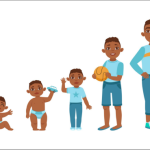

Childhood development is a complex, non-linear journey characterized by rapid neurological and physical transformations. When a child fails to reach specific milestones in areas such as motor skills, speech, or social interaction, it is often categorized as a developmental delay. Understanding the “why” behind these delays is essential for creating a roadmap to recovery. Developmental delays can stem from genetic factors, prenatal environment, or post-natal complications, but the common thread across all cases is the necessity for early clinical mapping.
The “Golden Window” for intervention typically occurs before the age of five, when neuroplasticity is at its peak. During this phase, the brain is highly receptive to therapeutic stimuli, allowing for the rewiring of neural pathways that may be lagging. By shifting the focus from “wait and see” to proactive screening, caregivers can significantly alter a child’s long-term trajectory.
Understanding Developmental Delay: Core Principles and Causes
Developmental delay is not a single diagnosis but an umbrella term indicating that a child is significantly behind their peers in one or more functional areas. To address these challenges, we must categorize them into specific domains: cognitive, social-emotional, speech and language, and fine/gross motor skills.
The Biological and Environmental Context
Biological causes often include chromosomal abnormalities (such as Down Syndrome) or metabolic disorders. Environmental factors, including exposure to toxins or lack of nutritional support during critical growth phases, also play a pivotal role. Identifying the root cause helps specialists tailor interventions—for instance, a delay caused by hearing loss requires a vastly different approach than one caused by a neurological motor deficit.
| Developmental Domain | Key Milestones Involved | Common Red Flags |
|---|---|---|
| Cognitive | Problem-solving, learning, and memory. | Lack of curiosity; inability to follow simple instructions. |
| Communication | Expressive and receptive language. | Limited vocabulary by age 2; no babbling by 12 months. |
| Physical/Motor | Walking, grasping, and coordination. | Persistent clumsiness; inability to sit up unaided. |
| Social/Emotional | Interacting with others and self-regulation. | Lack of eye contact; extreme difficulty with transitions. |

Evidence-Based Screening Protocols and Assessment Tools
Screening is the first formal step in the intervention pipeline. It is a brief, research-validated process used to identify children who may need more intensive diagnostic testing. Standardized tools ensure that assessments are objective rather than based on anecdotal observations.
Standardized Screening Instruments
Clinicians typically utilize the Ages and Stages Questionnaires (ASQ-3), which rely on parental input to gauge development across multiple domains. Another critical tool is the Parents’ Evaluation of Developmental Status (PEDS), which focuses on parental concerns as a reliable indicator of potential issues. For social-emotional screening, the M-CHAT-R is the industry standard for identifying early signs of autism spectrum disorder.
The Diagnostic Deep Dive
If a screening result indicates a risk, a full diagnostic evaluation follows. This involves a multidisciplinary team, including pediatricians, psychologists, and therapists. They use “norm-referenced” tests to compare the child’s performance against a large sample of same-age peers, providing a clear statistical picture of the delay’s severity.
Multidisciplinary Intervention Strategies for Optimal Growth
Once a delay is identified, the intervention must be immediate and multifaceted. A “siloed” approach rarely works; instead, a coordinated effort between various therapeutic disciplines yields the best results.
Therapeutic Modalities
- Physical Therapy (PT): Focuses on gross motor skills, strength, and balance to improve mobility.
- Occupational Therapy (OT): Targets fine motor skills and sensory processing, helping children perform daily tasks like eating or dressing.
- Speech-Language Pathology (SLP): Addresses both verbal communication and swallowing/feeding disorders.
- Behavioral Therapy: Utilizes techniques like Applied Behavior Analysis (ABA) to foster positive social interactions and reduce maladaptive behaviors.
Expert Advice: The Role of “Parent-Implemented” Intervention
Experts emphasize that therapy should not end when the child leaves the clinic. “Parent-implemented” intervention involves training caregivers to integrate therapeutic activities into daily routines. For example, a speech exercise can be turned into a game during bath time. This consistency increases the “dosage” of intervention without overwhelming the child with formal sessions.
Strategic Checklist for Parents
- Maintain a detailed log of milestones and concerns.
- Ensure regular pediatric check-ups at 9, 18, and 30 months for formal screening.
- Request a written Individualized Family Service Plan (IFSP) if your child qualifies for early intervention.
- Seek a second opinion if you feel your concerns are being dismissed as “just a phase.”
Frequently Asked Questions (FAQ)
- What is the difference between a developmental delay and a developmental disability?
- A delay indicates that a child is behind in a specific area but has the potential to catch up with proper support. A disability is usually a lifelong condition, such as Cerebral Palsy or Autism, that requires ongoing management, though intervention still significantly improves quality of life.
- Can a child “grow out” of a developmental delay?
- While some children may experience a “late bloom,” most significant delays require targeted intervention to bridge the gap. Relying on the hope that a child will simply grow out of it can result in missing the critical window for neuroplasticity.
- How long does it take to see results from intervention?
- Progress varies based on the child and the nature of the delay. Some children show marked improvement within months, while others require years of consistent therapy. The goal is steady, incremental progress rather than an overnight fix.
- Is developmental screening covered by insurance?
- In many regions, developmental screening is considered a preventive service and is covered under standard pediatric wellness visits. Furthermore, many countries offer state-funded “Early Intervention” programs for children from birth to age three at little to no cost.
- What should I do if my child’s screening shows a delay?
- Do not panic. A positive screening is not a diagnosis; it is a signal for further evaluation. Contact your pediatrician immediately to schedule a comprehensive diagnostic assessment and begin looking into local early intervention services.
Parenting and child-care note: This article is for general education only. It is not medical diagnosis, pediatric care, mental-health therapy, sleep treatment, emergency guidance, or individualized developmental advice. For symptoms, injury, illness, vaccines, medication, psychological distress, developmental delay, or urgent safety concerns, consult qualified pediatric, mental-health, education, or emergency professionals.