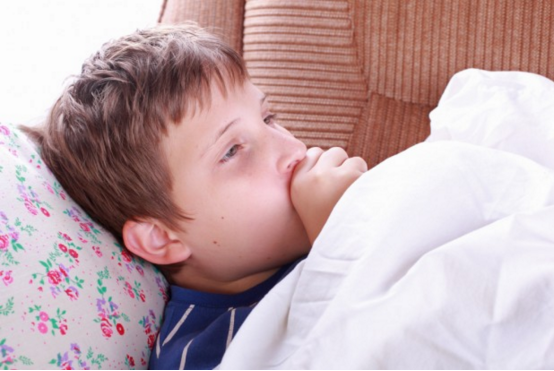

Early Identification and Home Care of Respiratory Infections in Children
Respiratory infections are among the most common reasons for pediatric medical visits. Recognizing the early warning signs is critical for effective home management and preventing complications. Parents should monitor for subtle shifts in breathing patterns, appetite, and energy levels.
Recognizing Early Warning Signs
- Behavioral Changes: Unusual lethargy, irritability, or refusal to eat or drink.
- Physical Indicators: Nasal flaring, wheezing, or retractions (skin pulling in between ribs).
- Temperature Monitoring: While fever is a natural immune response, persistent high temperatures in infants require immediate clinical assessment.

Understanding Toddler Colds and Coughs
The common cold, primarily viral in nature, often presents with rhinorrhea (runny nose), sneezing, and a mild cough. While usually self-limiting, these symptoms can significantly impact a toddler’s quality of sleep and hydration.
Differentiating Types of Coughs
Not all coughs are created equal. Understanding the sound and frequency helps distinguish between upper airway irritation and lower respiratory involvement.
- Dry, Tickly Coughs: Often associated with post-nasal drip and viral colds.
- Productive/Wet Coughs: May indicate mucus buildup; monitor for changes in mucus color, though color alone is not a definitive indicator of bacterial infection.
- Barking Cough: Often linked to croup; requires monitoring for stridor (high-pitched sound while breathing in).

Addressing Toddler Chest Pain
Chest pain in toddlers is rarely indicative of cardiac issues but often stems from musculoskeletal strain, acid reflux, or inflammation of the chest wall (costochondritis) following intense coughing bouts. However, it must always be evaluated in the context of respiratory distress.
When to Seek Urgent Care
If a child experiences chest pain accompanied by difficulty breathing, rapid heart rate, or cyanosis (bluish tint around lips), seek emergency medical attention immediately. Most benign chest pain is fleeting and resolves with rest.

Managing Bronchitis and Pneumonia
When an infection descends into the lower respiratory tract, it can lead to bronchitis (inflammation of the bronchial tubes) or pneumonia (infection of the lung tissue). These conditions require more intensive monitoring and, in the case of bacterial pneumonia, prescription antibiotics.
Clinical Distinctions
| Condition | Primary Symptom | Typical Duration |
|---|---|---|
| Bronchitis | Deep, hacking cough with mucus | 10-21 days |
| Pneumonia | Fever, rapid breathing, chest pain | Varies by severity |
Frequently Asked Questions (FAQ)
- Q1: When should I bring my child to the emergency room?
- Seek emergency care if your child exhibits severe difficulty breathing, blue-tinted lips/fingernails, persistent high fever that does not respond to medication, or signs of severe dehydration.
- Q2: Is it safe to use over-the-counter cough medicine for toddlers?
- Generally, no. Most pediatricians advise against OTC cough and cold medicines for children under 4-6 years old due to potential side effects and lack of proven efficacy in this age group.
- Q3: How can I help my child breathe easier at night?
- Utilize a cool-mist humidifier in the child’s room to keep airways moist. Saline drops can help clear nasal passages before sleep, and keeping the child slightly elevated can reduce post-nasal drip.
- Q4: How long does a typical toddler cold last?
- Most colds last between 7 to 10 days, though a lingering cough can sometimes persist for two weeks or longer as the respiratory tract heals.
Parenting and child-care note: This article is for general education only. It is not medical diagnosis, pediatric care, mental-health therapy, sleep treatment, emergency guidance, or individualized developmental advice. For symptoms, injury, illness, vaccines, medication, psychological distress, developmental delay, or urgent safety concerns, consult qualified pediatric, mental-health, education, or emergency professionals.